
Cart 0

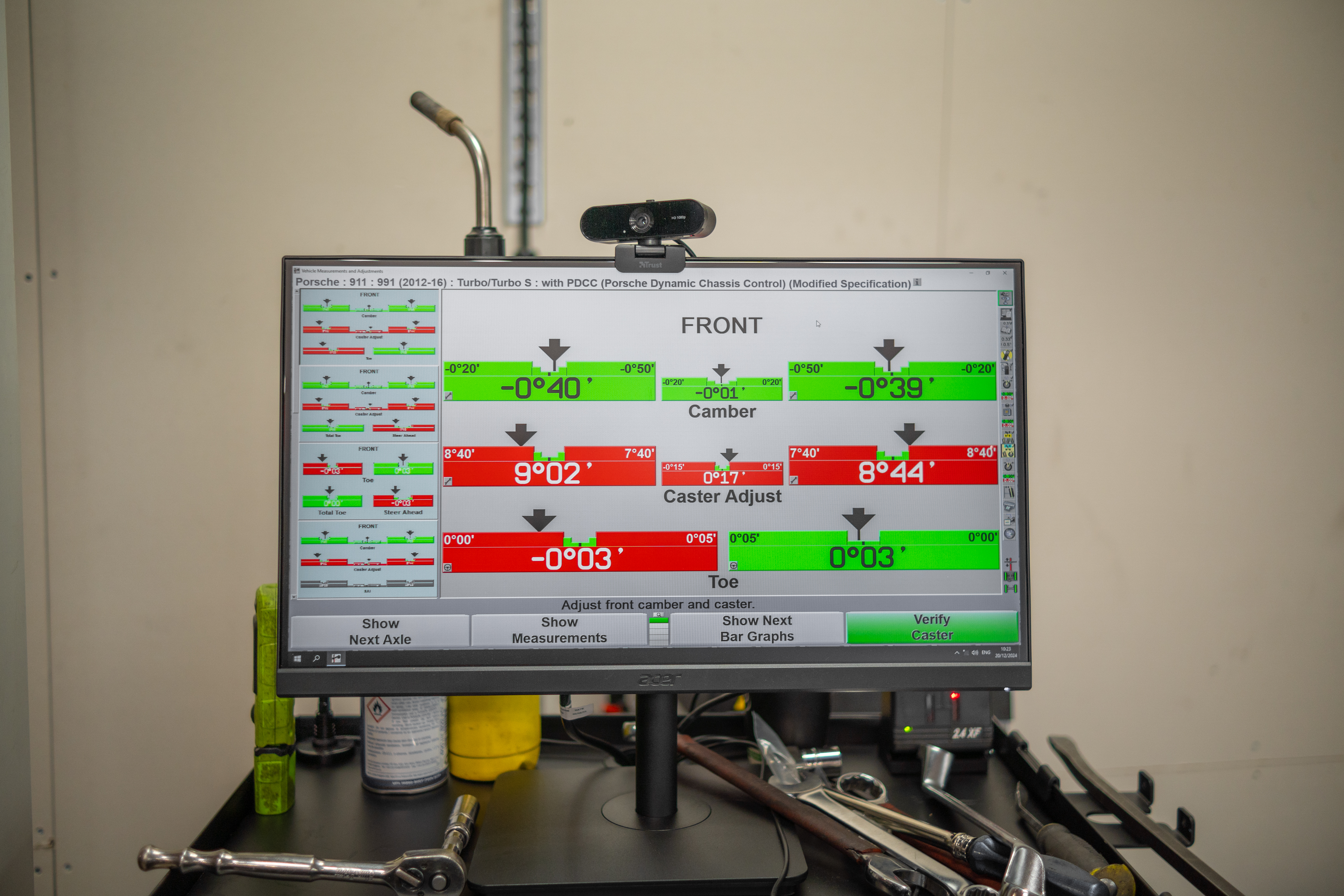

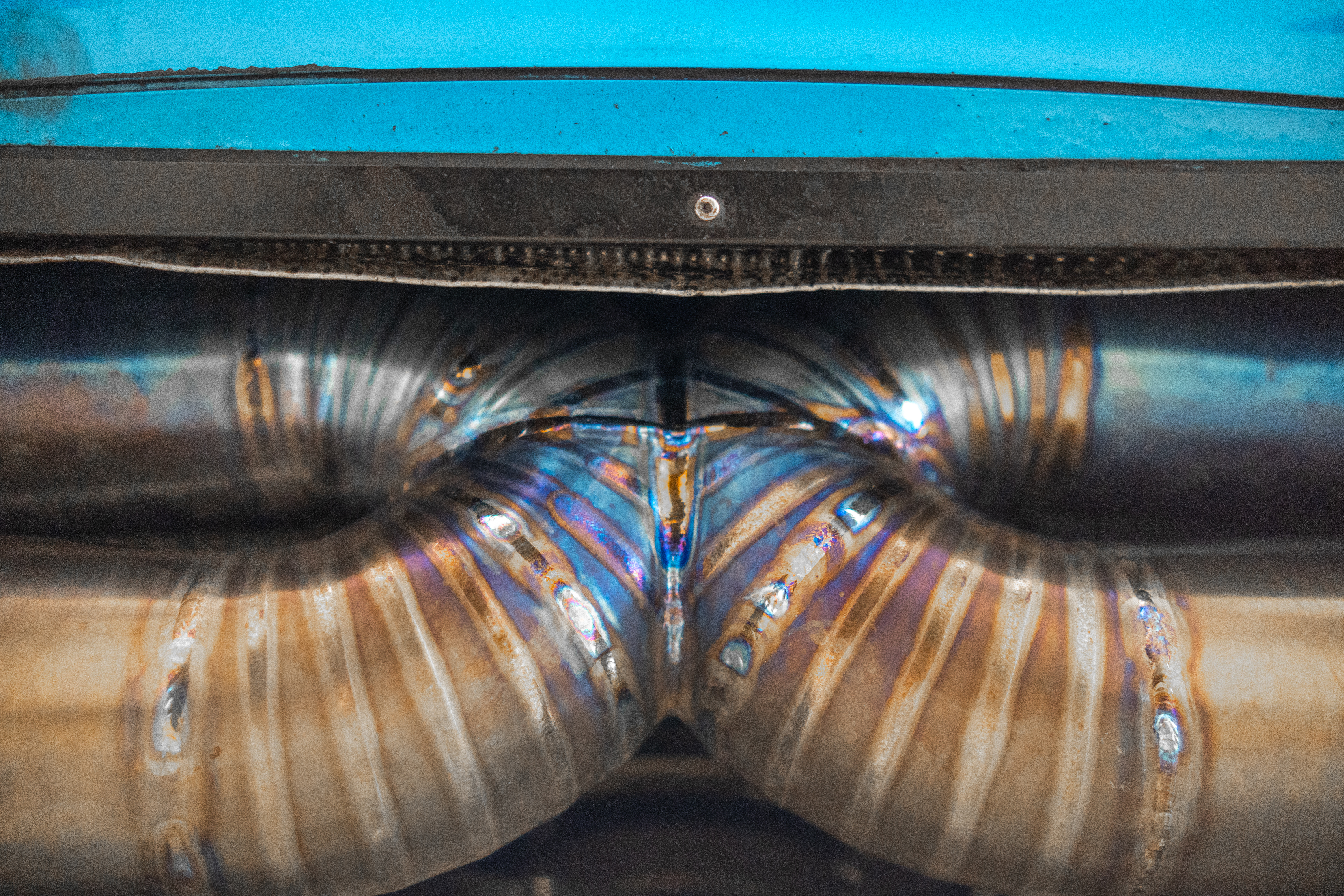
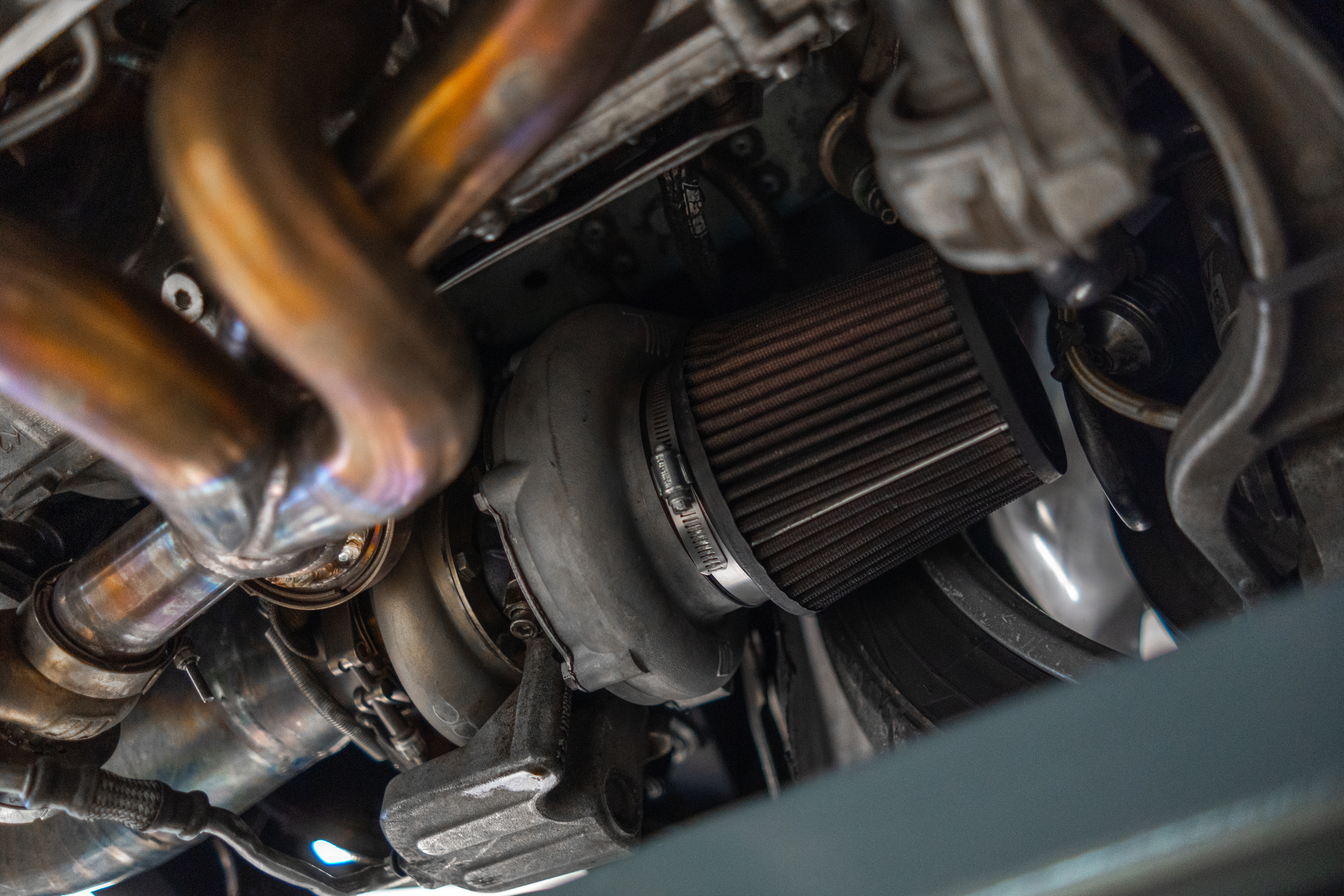
It is tempting to pay attention only to the mechanical components when designing the Porsche for maximum speed. More powerful turbines, better cooling, advanced fueling systems, and enhanced engine components are all logical choices. However, once the vehicle starts moving, this is no longer sufficient.
The performance of a Porsche with a turbo kit may vary depending on how the driver feels it at a given time. In some cases, the difference will be very noticeable. In others, it won’t be as easily detectable. This is why data logging becomes so important in this context.
Data logging is considered by ES Motors to be one of the most reliable methods of identifying whether the modifications have been done correctly.
Why Guesswork Is Not Enough
However, even a fast Porsche could have underlying issues. While a vehicle might seem quick, it does not necessarily mean that it operates in a safe manner or reliably. Boost can be unstable, while intake air temperatures will be increasing rapidly. The fuel pressure would also drop when you put additional load on the engine. It seems that timing has been pulled back although you do not notice it right away.
The only thing that can expose such problems before it is too late – logging. Otherwise, owners end up chasing false fixes, changing parts which work perfectly well, and using a vehicle with underlying issues.
Good data removes that uncertainty. It gives a proper picture of what is happening during a pull, during repeated runs, and during real road use.
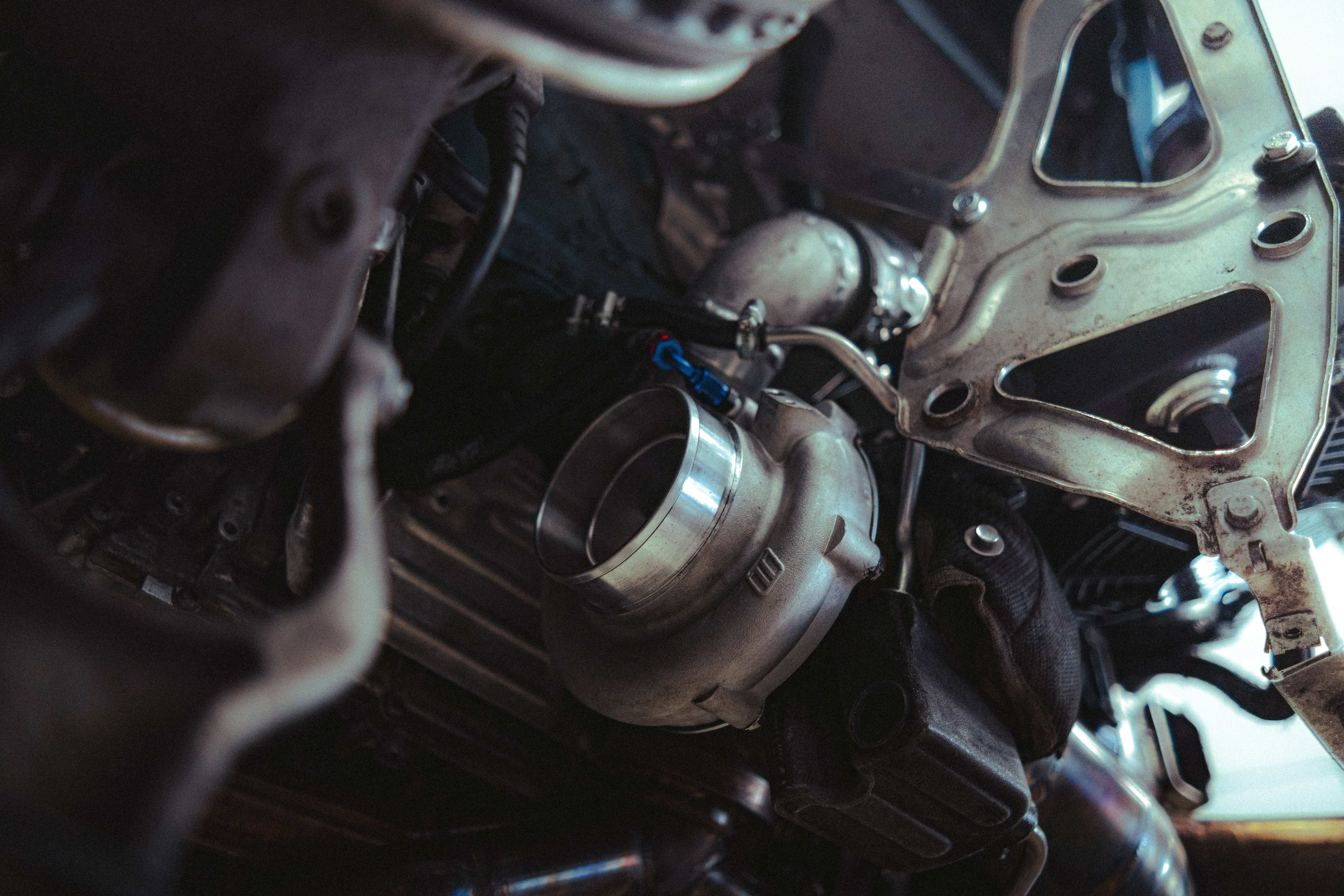
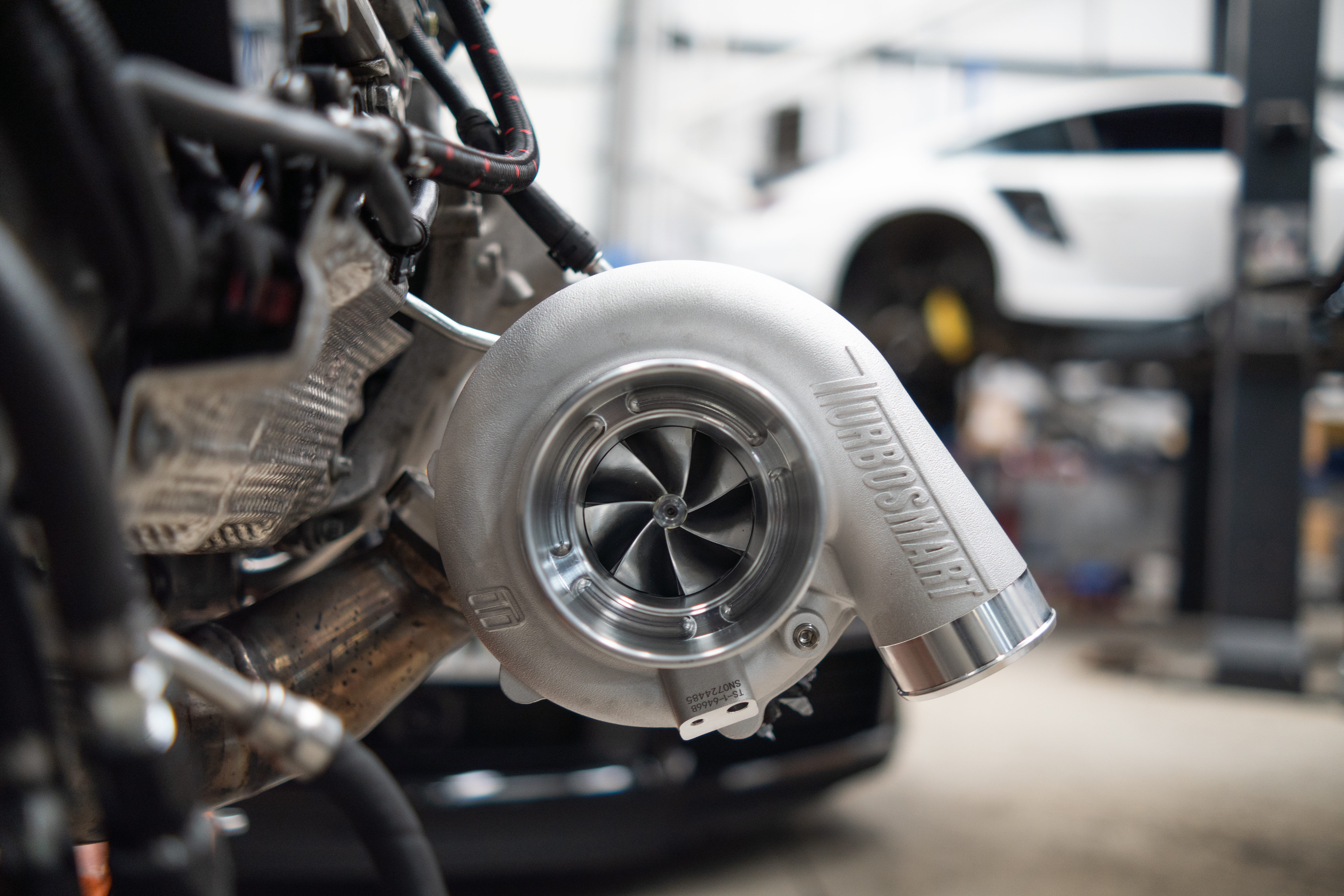
What Data Logging Actually Shows
Data logging aids in uncovering the nature of the engine and its associated subsystems both under ideal conditions and also when they aren’t. These may vary from boost pressure to air temperatures, fuel pressure to ignition timing, throttle positions to air-fuel behavior, and much more depending on the configuration of the system.
In isolation, each one of these provides some insights but collectively, they indicate if the car is stable or operating near its limits and if there’s any further scope of improvement in the system.
This is extremely relevant in case of a high-performance system because as power levels increase, the tolerance of the system reduces.
When a Car Needs Logging Straight Away
Sometimes, it is clear from the start that there is something to be checked. Inconsistency in boost, throttle response, heat-related degradation, hesitations, and performance changes are good indicators. Even when a car seems in perfect condition, however, a log analysis is always welcome.
That is because not every issue announces itself clearly from the driver’s seat. A car may still pull hard while sensor data shows rising temperatures, unstable corrections, or supporting systems beginning to fall behind.
If a Porsche has had major hardware changes, a tune revision, or a noticeable change in behaviour, logging should be part of the process straight away.
Every Major Change Should Be Verified
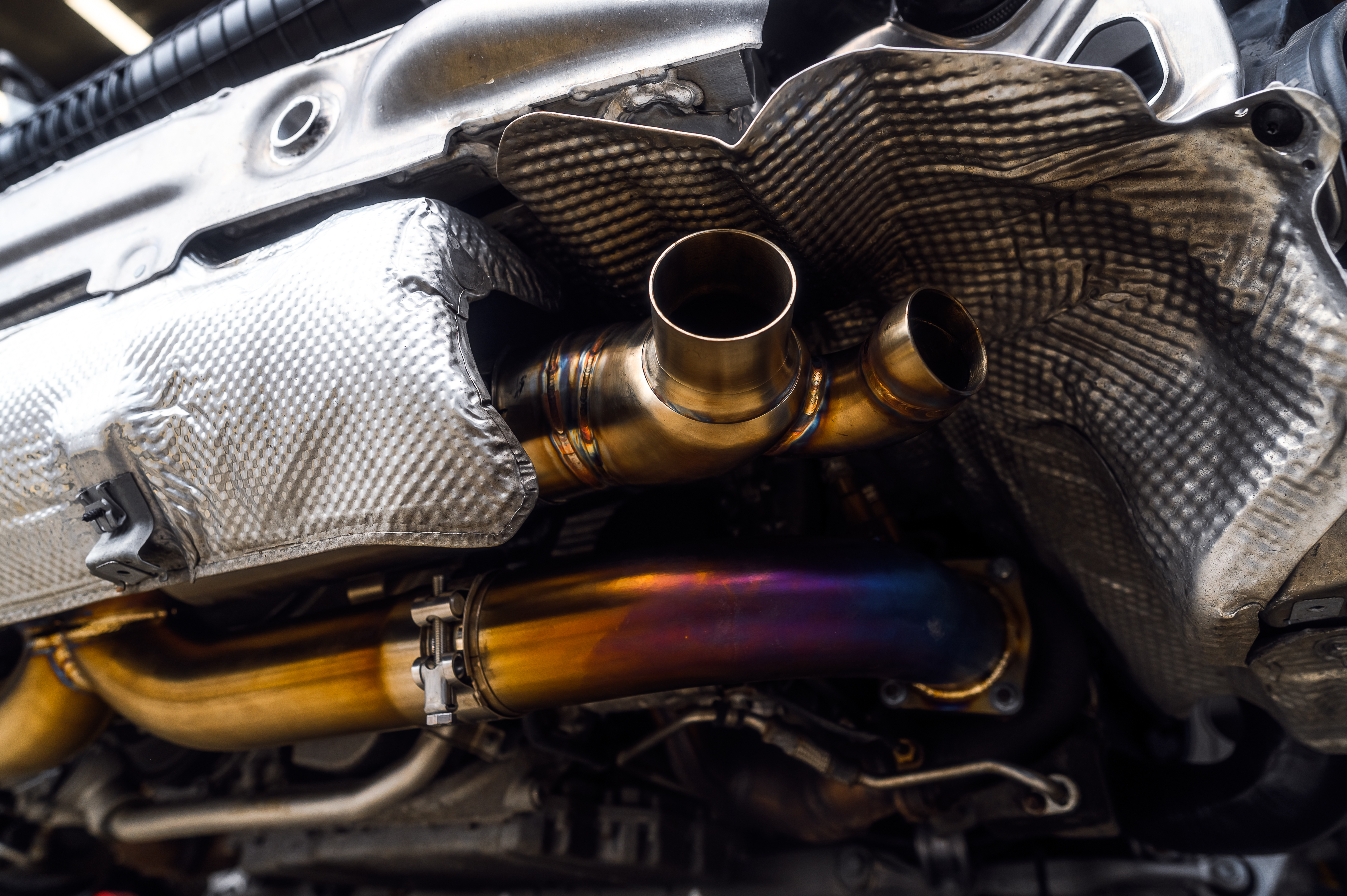
It is a mistake to assume that one successful drive means the job is done. When a Porsche gets new turbos, fuelling changes, intake parts, exhaust changes, transmission work, or cooling upgrades, the complete setup should be checked again.
One change often affects another area. Improved airflow may alter how the engine responds. More boost may demand more from the fuel system. Better grip may load the drivetrain harder. Even if the car starts and drives well, the data may still show that another part of the setup now needs attention.
That is why proper development never stops at installation. The car needs to prove itself in the data as well as on the road.
Road Logging and Dyno Testing Work Together
Road logging and dyno testing are not synonymous terms, yet both processes complement each other when used together. The former provides useful information about the vehicle’s behavior and performance in real-world conditions, while the latter can be helpful to quantify the output in an artificial environment that facilitates comparisons.
It will give you much better results as it will allow you to see how your car is behaving during road tests and under certain airflow loads. This process can be helpful to understand why your vehicle achieves good results on the dyno yet performs inconsistently out on the road.
For serious builds, numbers alone are never enough. Consistency matters just as much.
A Better Porsche Is a Better Understood Porsche
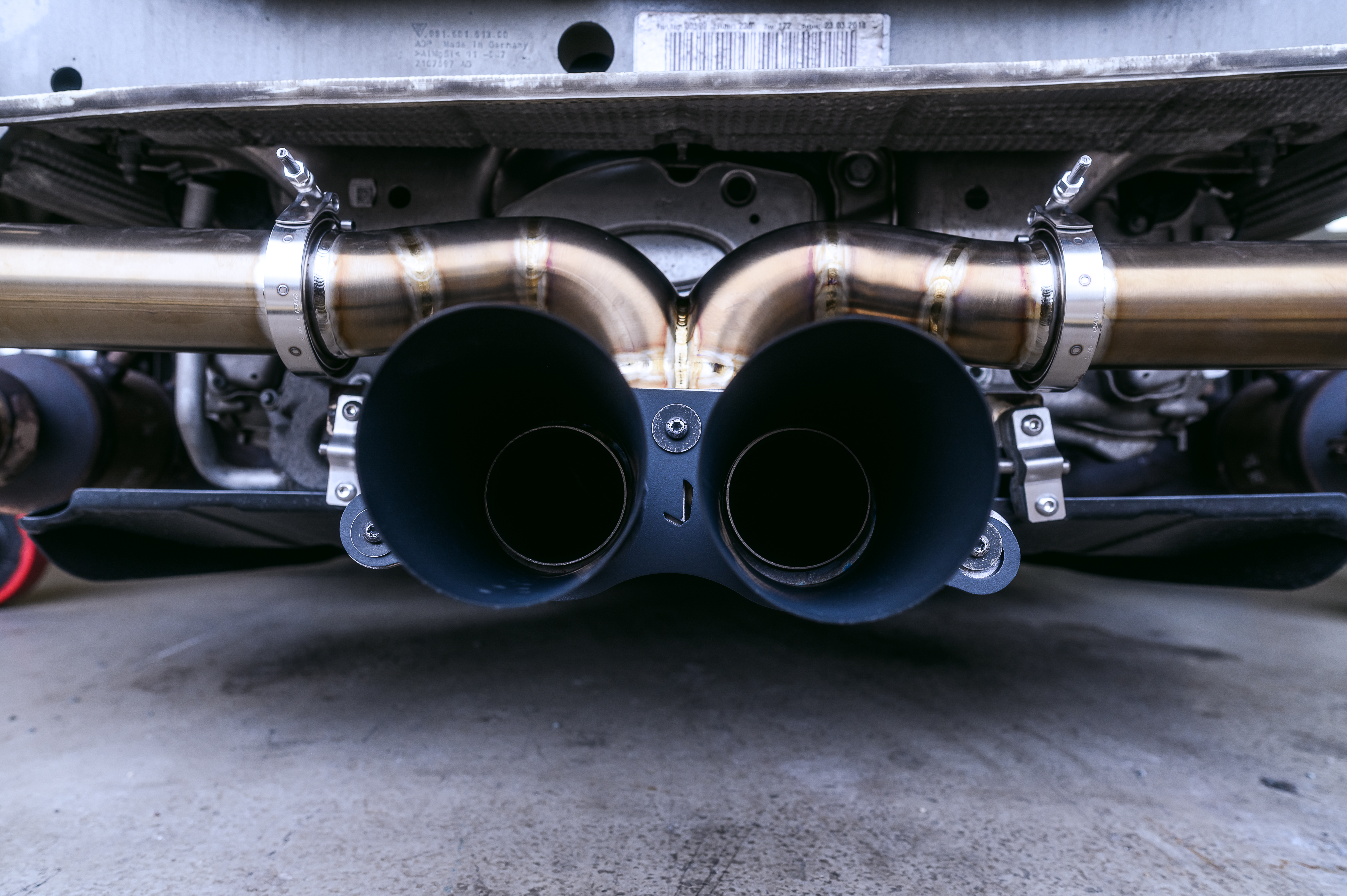
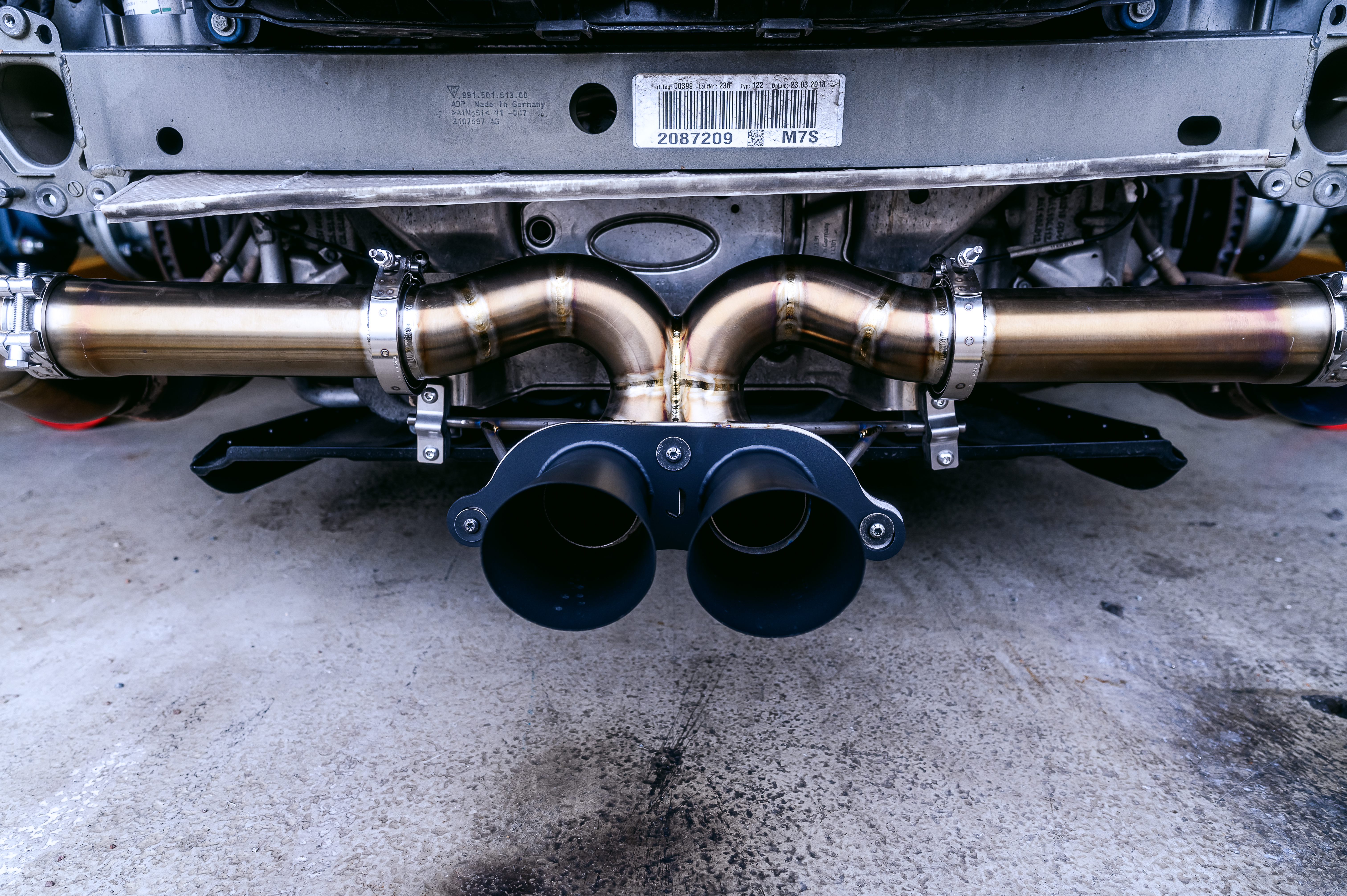
Top-notch modified Porsches are more than just fast. They are organized, consistent, and predictable. This can only occur if the vehicle is correctly diagnosed, rather than just intuitively felt or based on parts alone.
Data logging aids in converting guesses into solid conclusions. It tells us if the setup is sound, performance consistency is maintained, and what adjustments need to be made.
For a turbocharged Porsche to work right and remain reliable under stress, it must get down to specifics. For any inquiries regarding diagnostics, tuning assistance, or full builds, please contact ES Motors