Cart 0

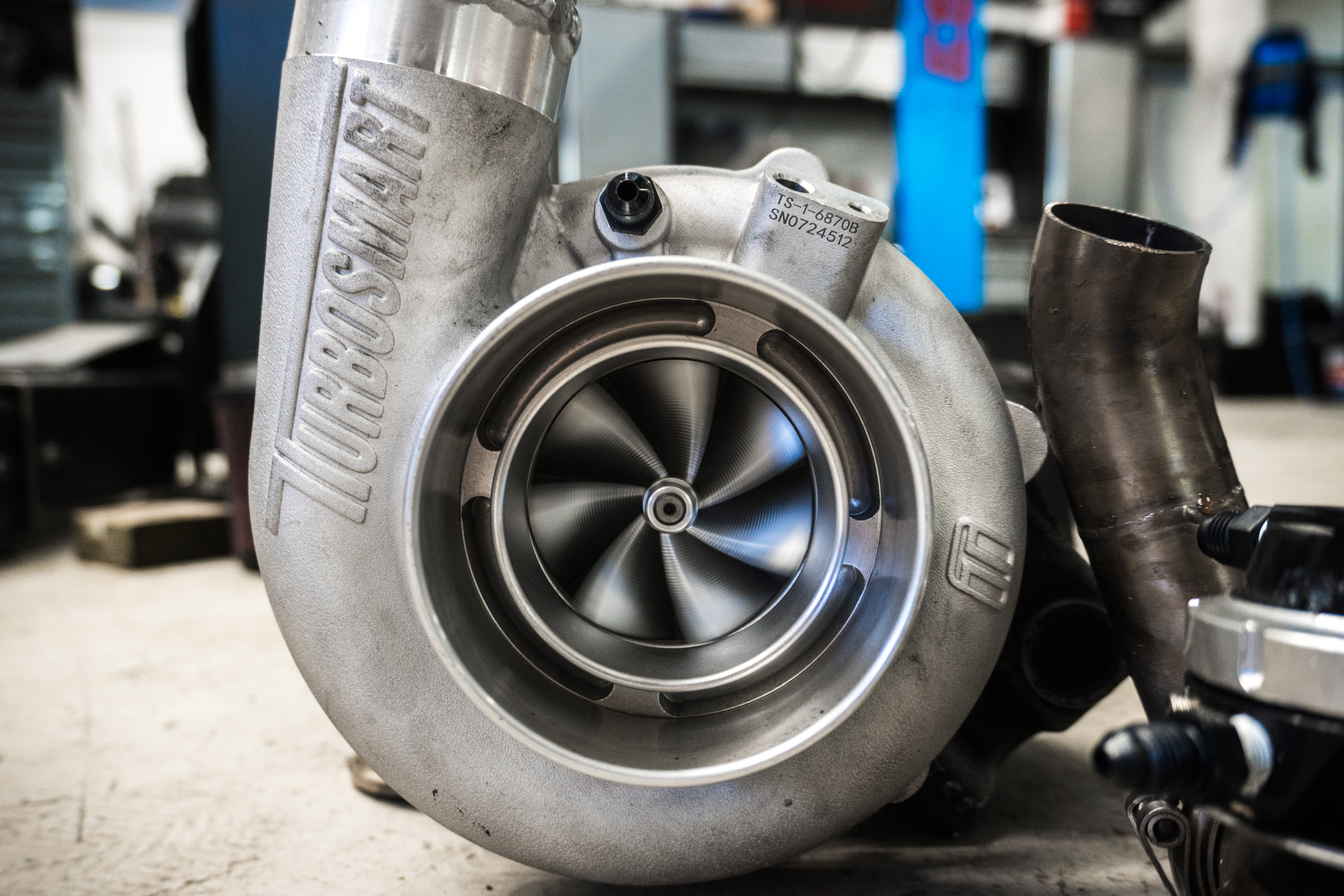

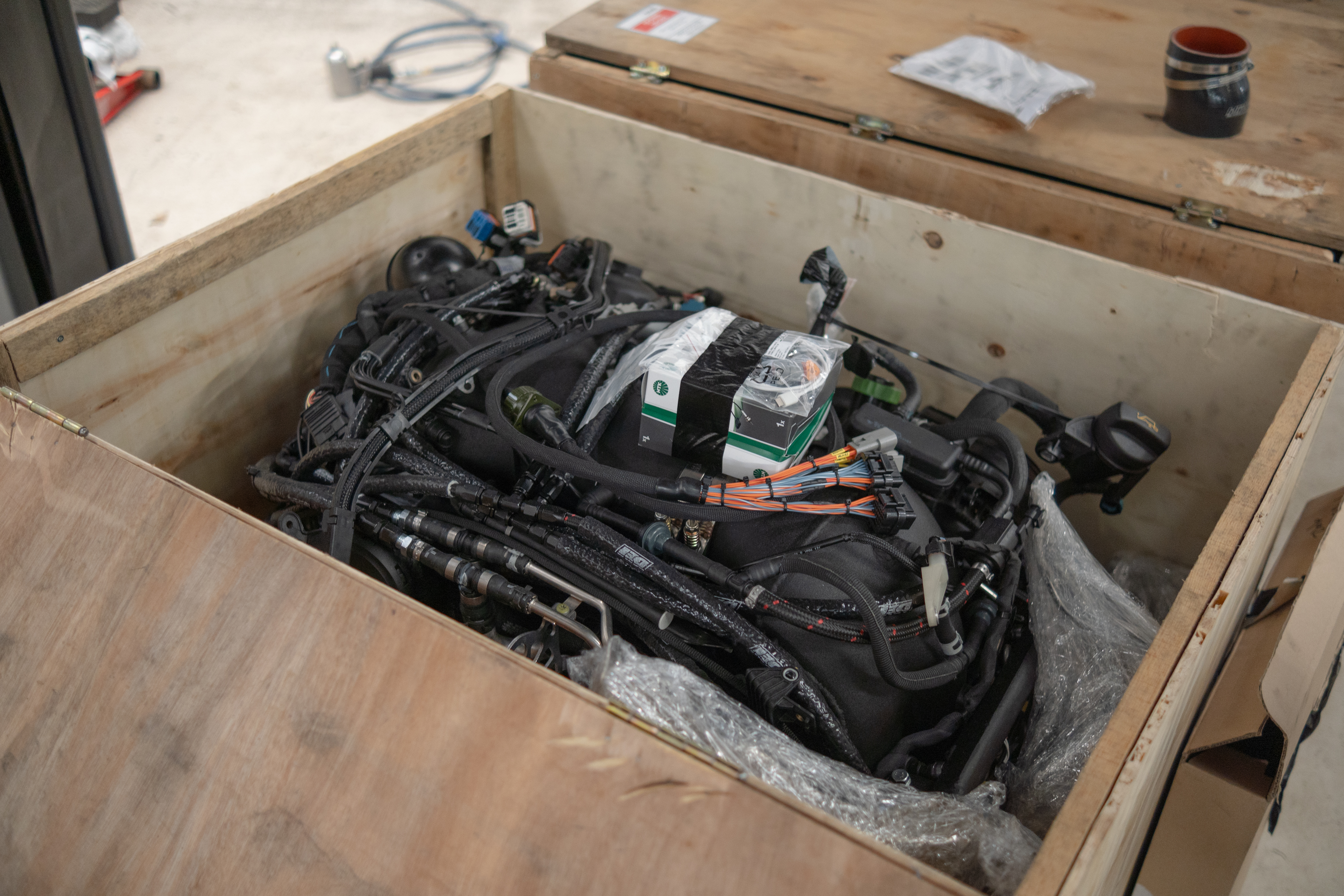
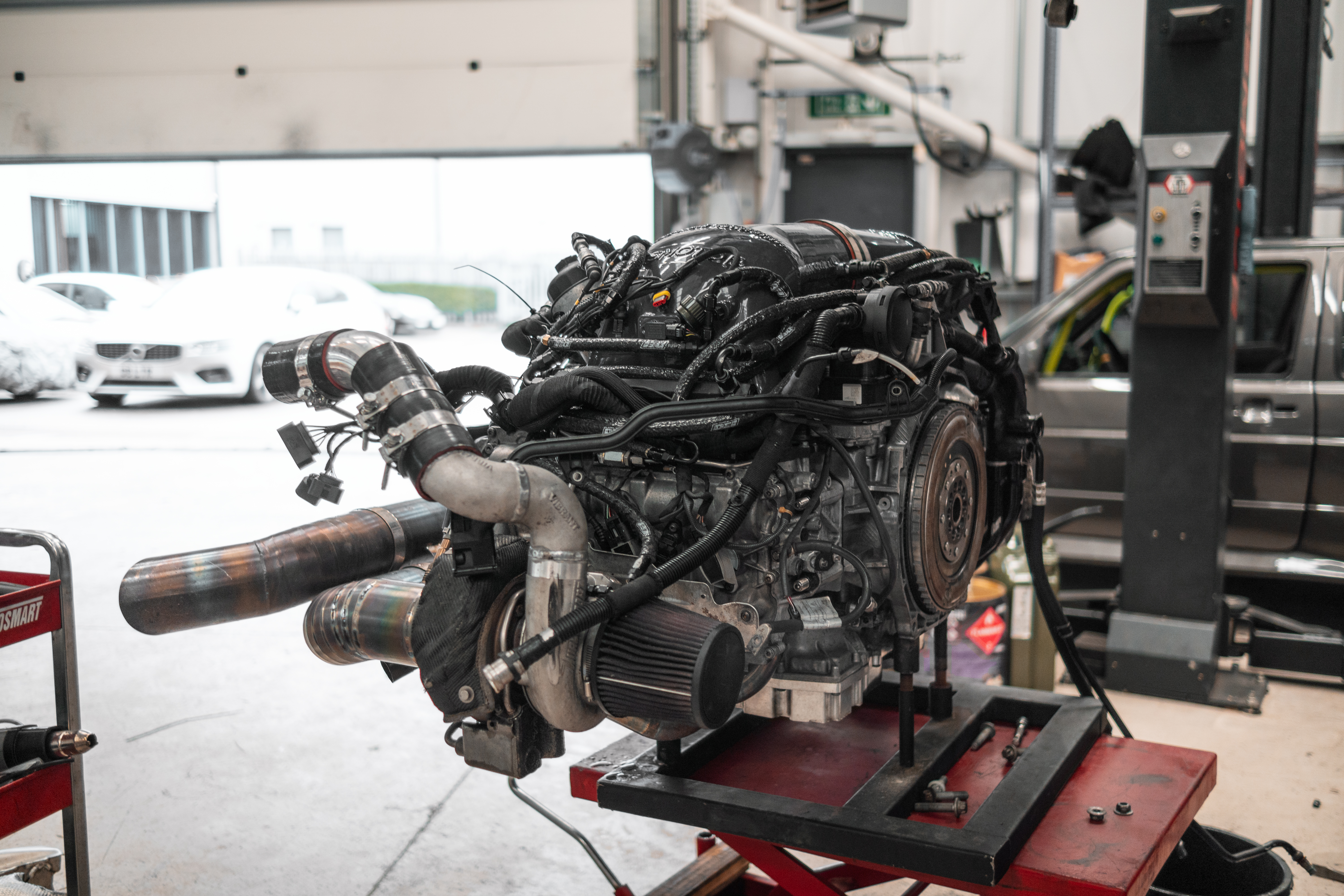
Turbo upgrades can completely change how a Porsche drives. More power, stronger pull, faster acceleration — all the good stuff.
But once you start pushing beyond stock limits, that is where Common turbo problems shows up.
And most of the time, it’s not the turbo itself that causes the issue.
It’s everything around it.
Understanding the common problems early can save you a lot of time, money, and frustration later on.
Heat Buildup and Inconsistent Performance
Heat is one of the biggest challenges in any turbo setup.
As boost goes up, so do temperatures. That’s just part of the game.
At first, the car might feel great. Then after a few pulls, it starts to feel weaker. Power drops off, response changes, and the car just doesn’t feel the same.
Nothing is broken — it’s just heat.
Without proper cooling, the system starts protecting itself.
Better intercoolers, proper airflow, and good ducting make a huge difference here.
Boost Leaks and Pressure Loss
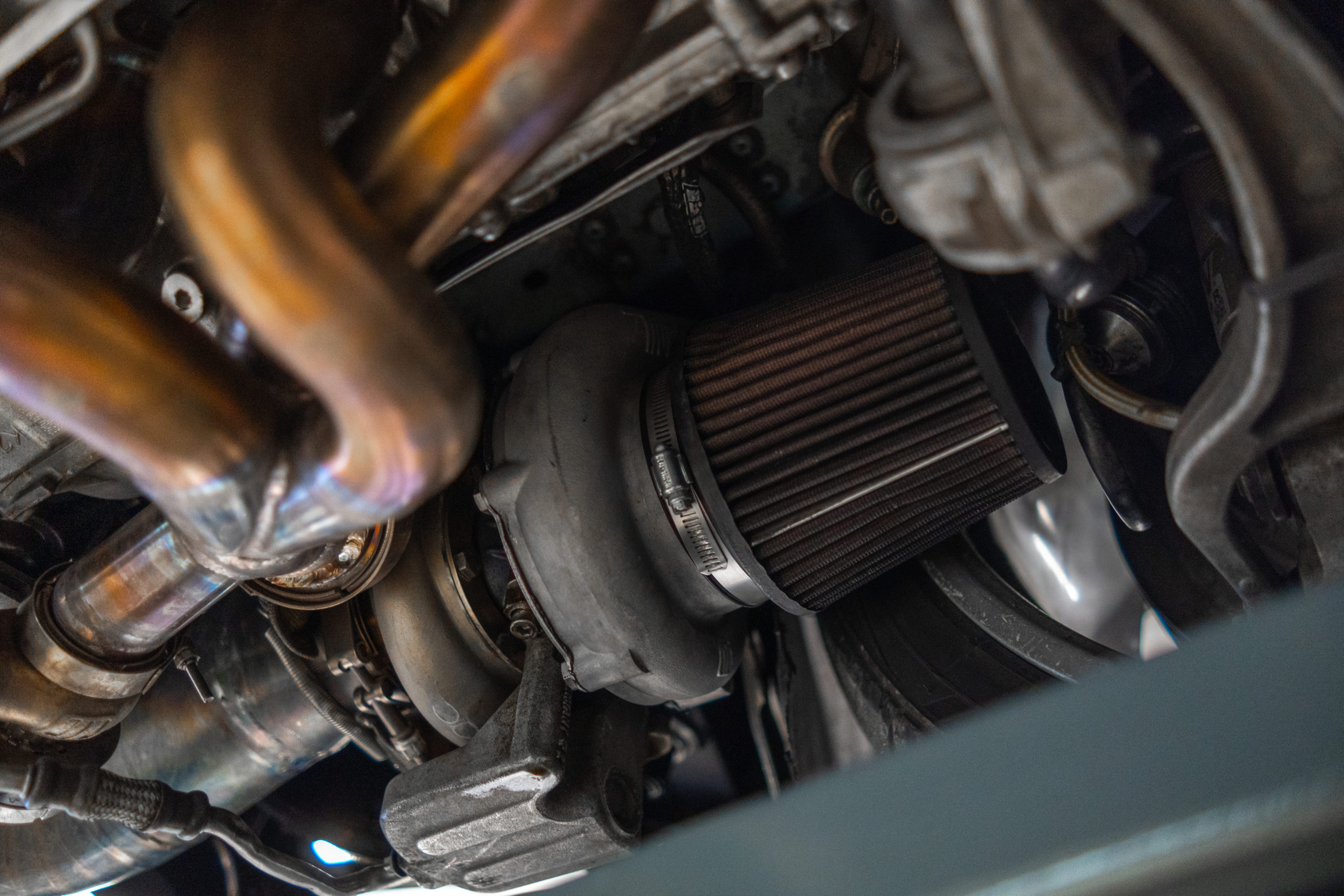
Boost leaks are more common than most people expect.
With the new piping, couplers, and connections, there are more areas where pressure is leaking.
Even a small leak will affect performance. The car may run differently, it may act slow, or difficult to tune.
This is one of those problems that will not show up right away, but will gradually impact how the car is running.
Proper installation is a must.
Oil Supply and Turbo Wear
Turbos rely heavily on oil.
It’s not just for lubrication — it also helps manage heat inside the turbo itself.
If oil quality is poor, or flow is restricted, wear starts to build up. Not instantly, but over time.
Eventually, that can lead to turbo damage.
Using the right oil and keeping up with maintenance is one of the simplest ways to protect the setup.
Overboost and Tuning Issues
Tuning plays a huge role in turbo reliability.
If boost isn’t controlled properly, things can get risky very quickly.
Overboost situations can put serious stress on the engine and the turbo. Sometimes it’s not even obvious right away, but the damage builds over time.
A proper calibration keeps everything stable and predictable.
This is where experience really matters.
Weak Supporting Components
A turbo upgrade puts pressure on the entire system.
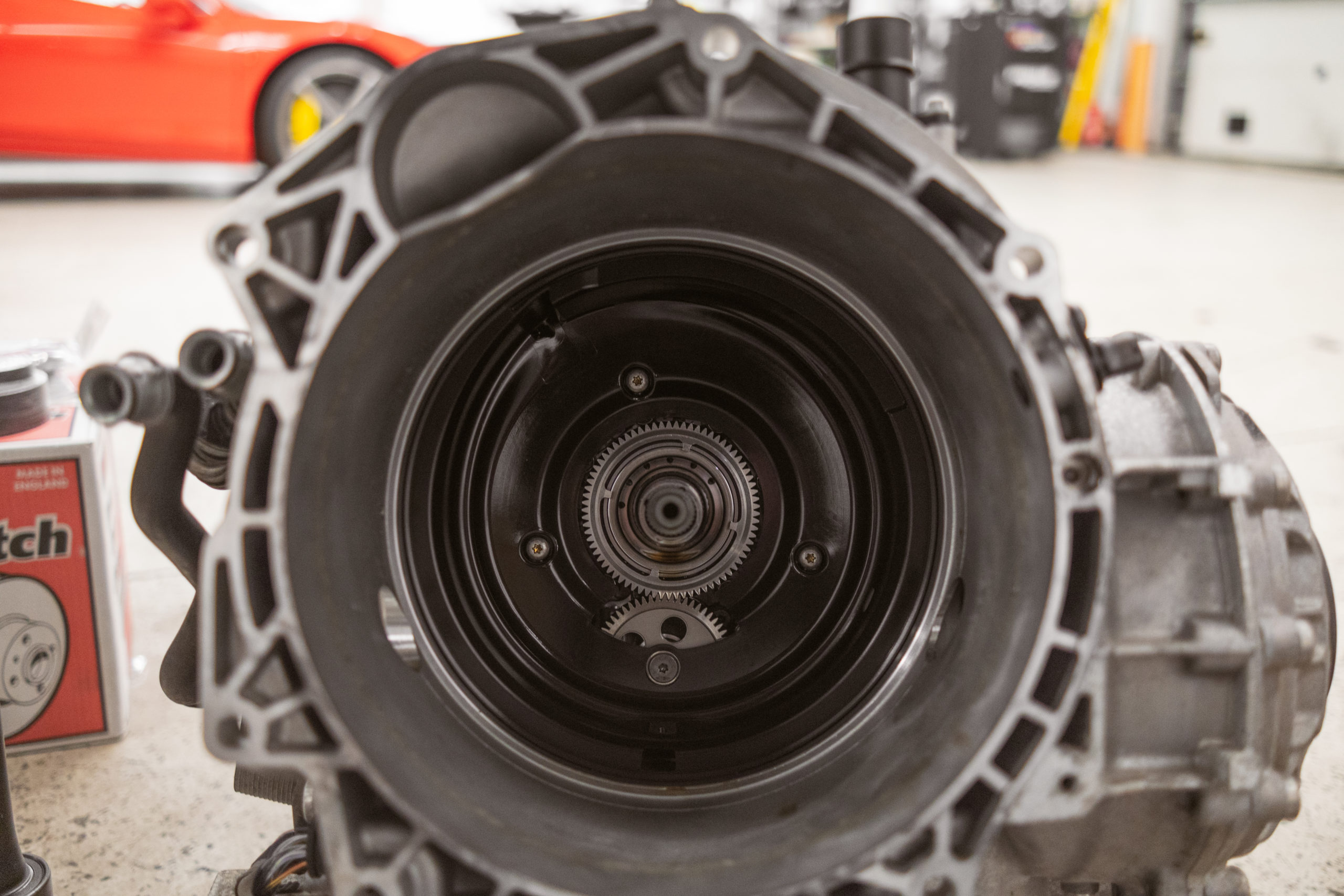
Cooling, fueling, airflow, drivetrain — everything has to keep up.
If one area lags, the entire system will suffer.
Inconsistencies may be evident, overheating may occur, or even mechanical failure. The turbo problems Porsche
That’s why it’s important to have a good build that is compatible to the entire system, rather than one modification at a time.
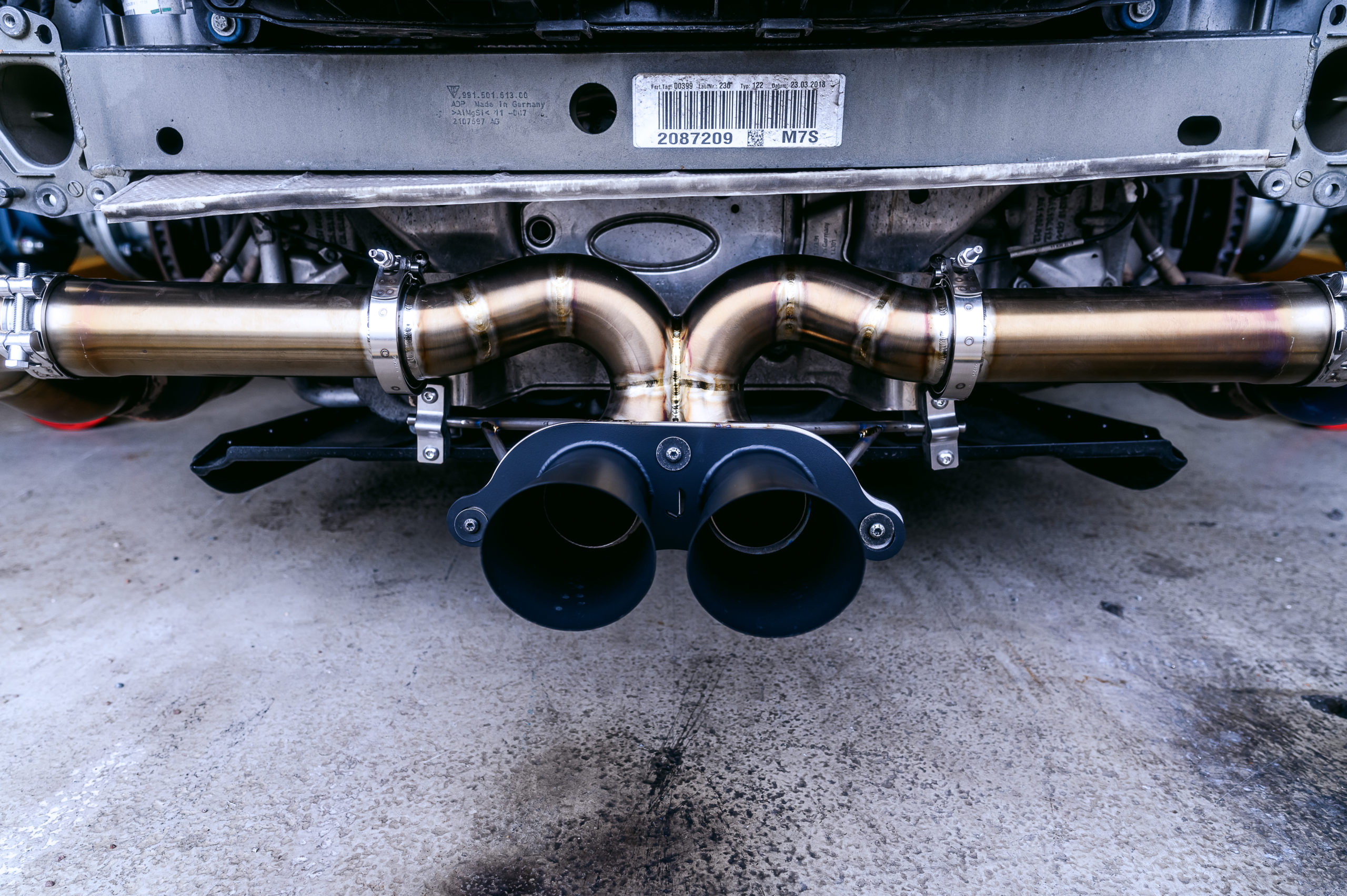
Stopping Problems Before They Start
Most turbo problems are not random.
In fact, they are usually the result of gaps within the overall system, such as incomplete upgrades or a failure to properly plan.
The best solution to this is to have a great build from the beginning.
Balanced components. Proper installation. Regular maintenance.
At ES Motors, the focus is always on the full system, not just the headline numbers.
That’s how you end up with a car that stays strong, consistent, and reliable – not just for the first run, but every time.
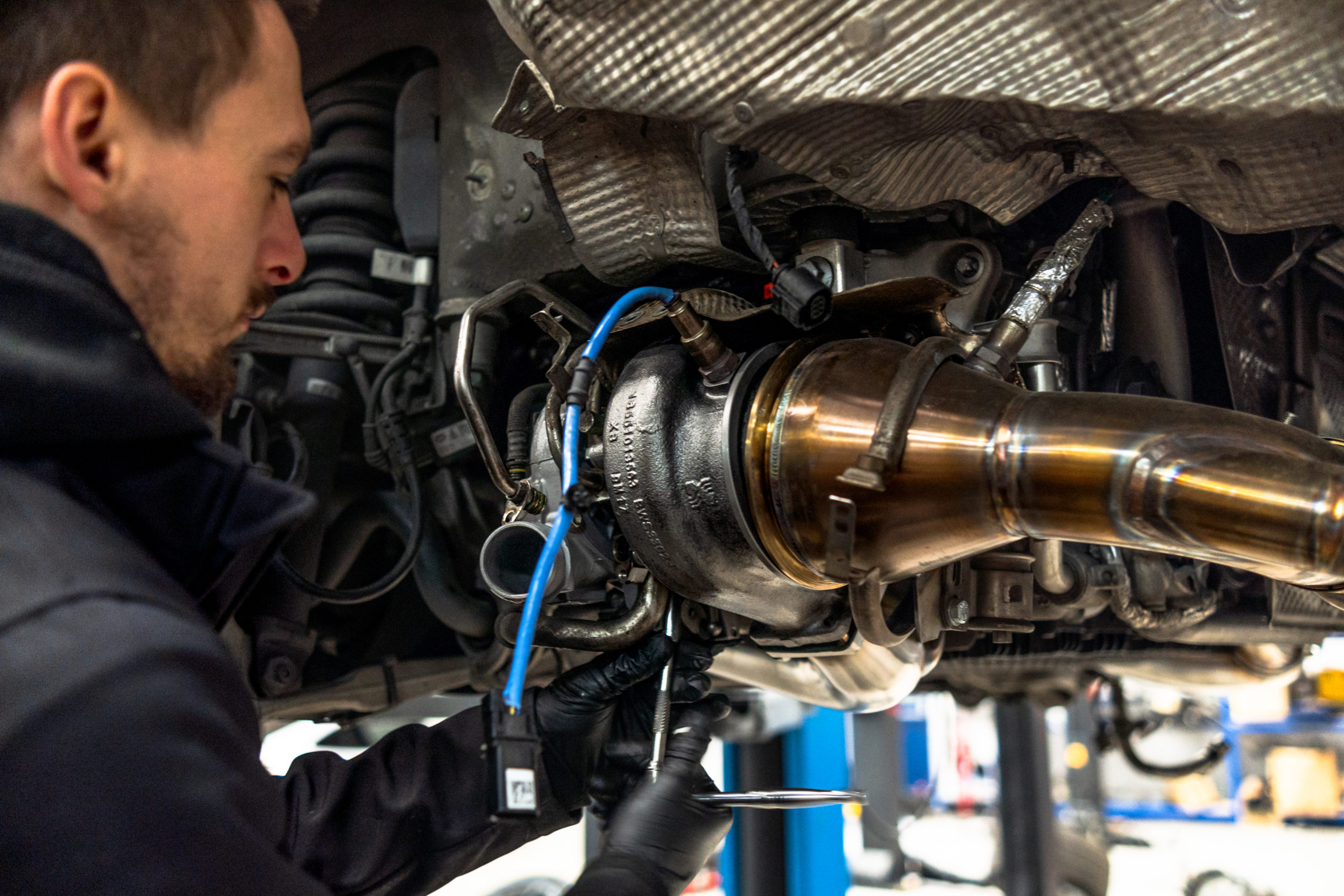
If you’re planning to build a turbo car or having problems with your car, it is best to address the common turbo problems properly to avoid having to deal with it later on.
Related at ESMotor: see our Porsche 992 Turbo S tuning packages and Porsche servicing.