Cart 0

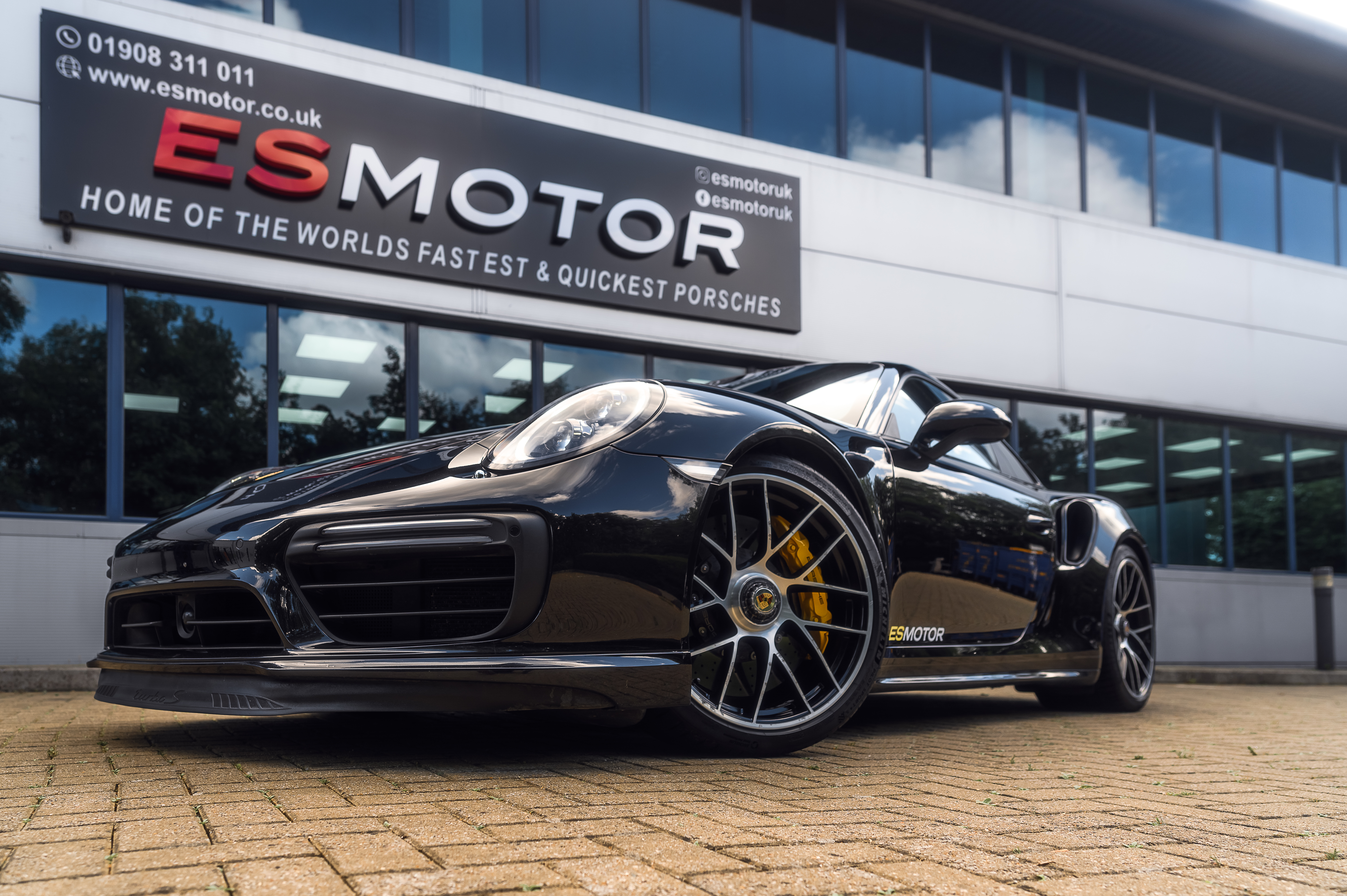

Tyre Selection for High-Horsepower Turbo Porsches
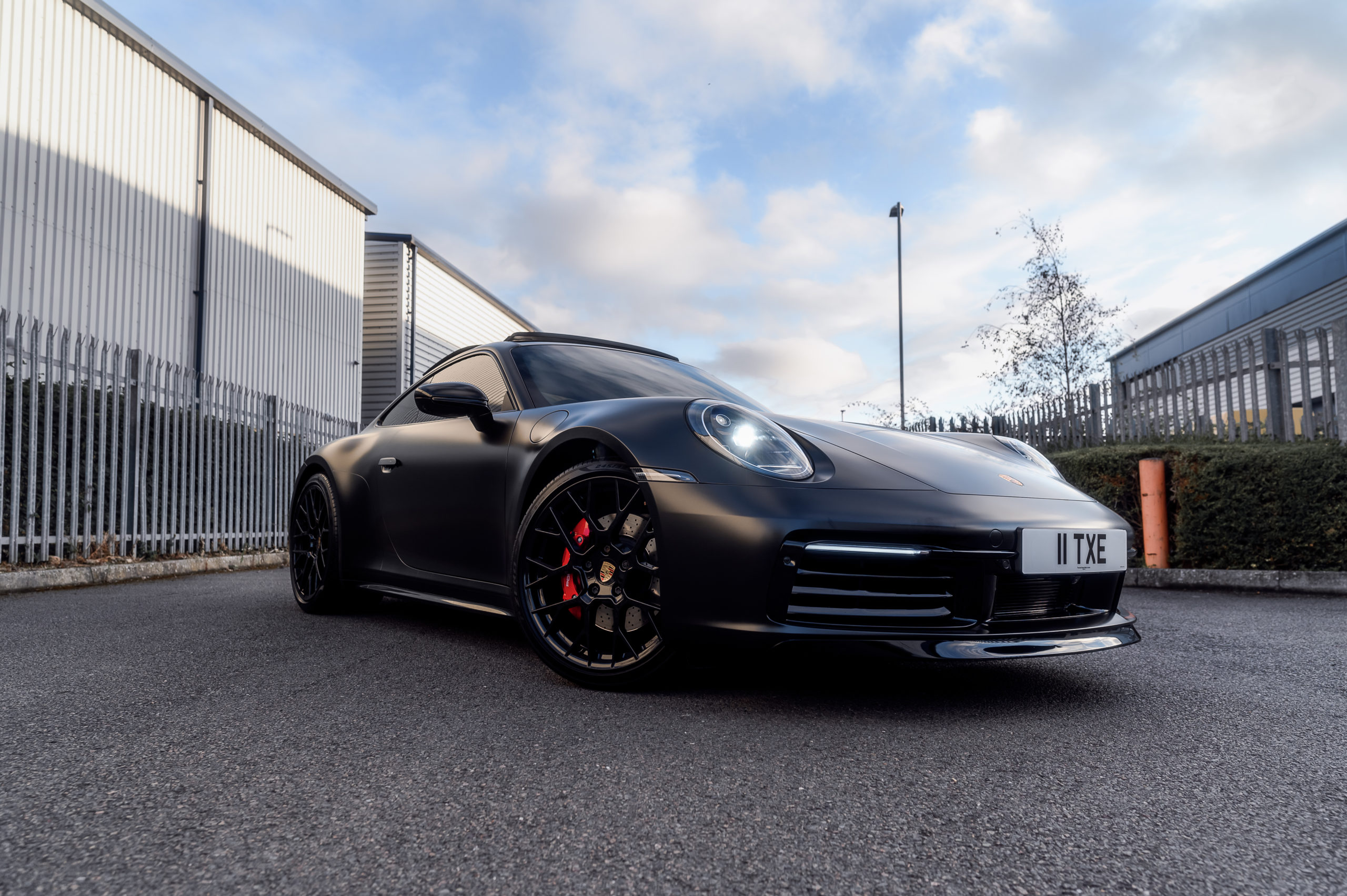
When people talk about building a faster Porsche, they usually start with power. Bigger turbos, stronger fuelling, better cooling, stronger driveline parts, and sharper tuning all matter. But one thing never changes. Every bit of power, braking force, and cornering load still goes through four small contact patches.
That is why tyre choice matters so much on a tuned Porsche. A car can have the right hardware and still feel nervous, inconsistent, or hard to trust. That usually happens when the tyres do not match the power level, chassis setup, and intended use.
At ES Motors, we see this often on high-output builds. Owners focus on the big-ticket parts first. Later, they realise the tyre setup is holding the car back. The right tyre does more than add grip. It improves braking confidence, steering response, stability under load, and overall drivability.
Why Tyres Matter More as Power Goes Up
A stock Porsche already works its tyres hard. Speed, braking force, and cornering grip all place heavy demands on the platform. Once you add more torque and horsepower, those demands rise fast. Hard launches load the rear tyres much more. Higher speeds put more stress into the tyre structure. Bigger braking zones increase heat and pressure. Add sharper suspension or aero, and the tyre works even harder.
That is where weak setups start to show. A tyre may feel fine on a mildly modified road car. Put that same tyre on a heavily modified one, and problems appear quickly. You may get more wheelspin, weaker braking, vague turn-in, and an unstable feel.
On a turbo Porsche, the tyre is not just a consumable. It becomes a key part of the full setup.
It Is Not Just About Width
Many people think a wider tyre will solve every traction problem. That is only part of the answer. Width matters, but compound matters too. So do sidewall construction, tread design, heat range, and how the tyre behaves under load.
A tyre with the wrong compound may struggle when cold. It may overheat during hard driving. It may also wear unevenly with a more aggressive alignment. Sidewall stiffness matters as well. Some tyres give a sharper steering feel. Others give up some response to improve comfort on rougher roads.
That is why tyre choice should never happen in isolation. Power level, suspension setup, wheel size, road conditions, and intended use all affect what works best.
Road, Fast Road or Track: The Right Choice Depends on Use
A road-driven Porsche needs a different tyre setup from a car that sees regular track use. A strong fast-road tyre should give good wet-weather grip, stable heat performance, predictable breakaway, and decent lifespan. A track-focused tyre often chases dry grip, stronger sidewall support, and better resistance to heat under repeated hard laps.
Problems start when one tyre has to do every job. A track-biased tyre may feel compromised on the road, especially in poor weather or lower temperatures. On the other hand, a tyre chosen mainly for comfort and mileage may struggle once power, braking, and cornering loads go up.
The best results come from honesty. You need to match the tyre to how the car actually gets used. That is what keeps the real-world performance in line with the build on paper.
Tyres, Alignment and Suspension Must Work Together
Tyres never work on their own. A more focused suspension and alignment setup can make a Porsche feel sharper and more responsive. At the same time, that setup can place more demand on the tyres. Camber, toe, and ride height all change how the contact patch loads up.
That is one reason two similar Porsches can feel completely different on the road. One may feel planted, precise, and confidence-inspiring. The other may tramline, feel nervous on turn-in, or wear through tyres unevenly. In many cases, the difference comes down to how well the tyre choice matches the chassis setup and the car’s real use.
If you are already investing in suspension, alignment, and power upgrades, do not leave the tyre choice until last.
What the Wrong Tyre Setup Feels Like
A tyre mismatch does not always show up as obvious wheelspin. Sometimes the signs are subtle. The car may feel excellent on one drive and strange on the next. It may move around under hard acceleration. It may feel unsettled under braking. It may lose sharpness as temperatures rise. Or it may simply never feel as composed as the spec sheet suggests.
That often sends owners in the wrong direction. They start chasing suspension settings, power delivery, brake feel, or driveline behaviour. In reality, the tyre may be the main problem.
That is why setup work matters. When a powerful Porsche feels difficult to trust, tyres should be one of the first things you check.
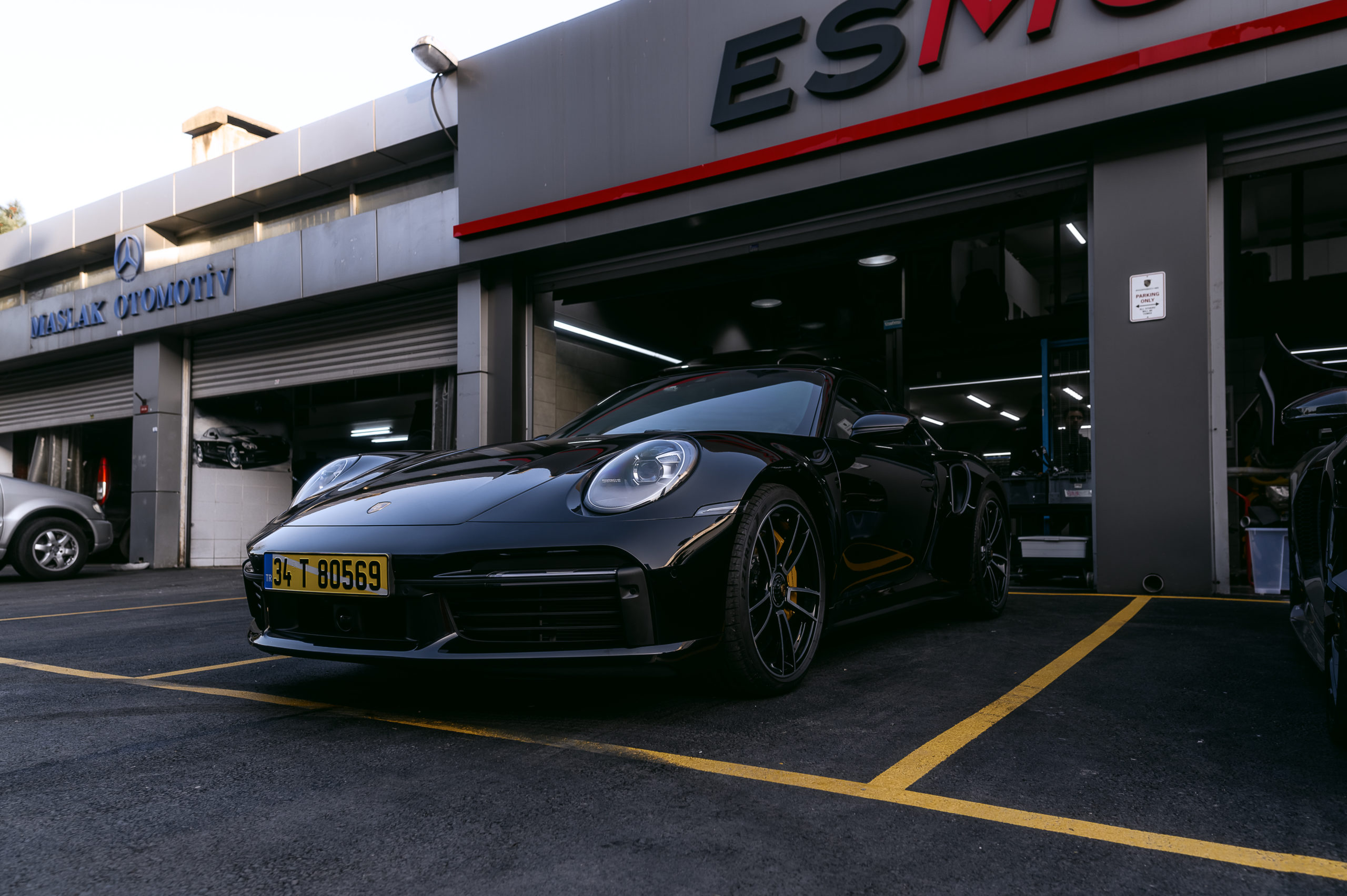
Getting the Most From a High-Performance Porsche
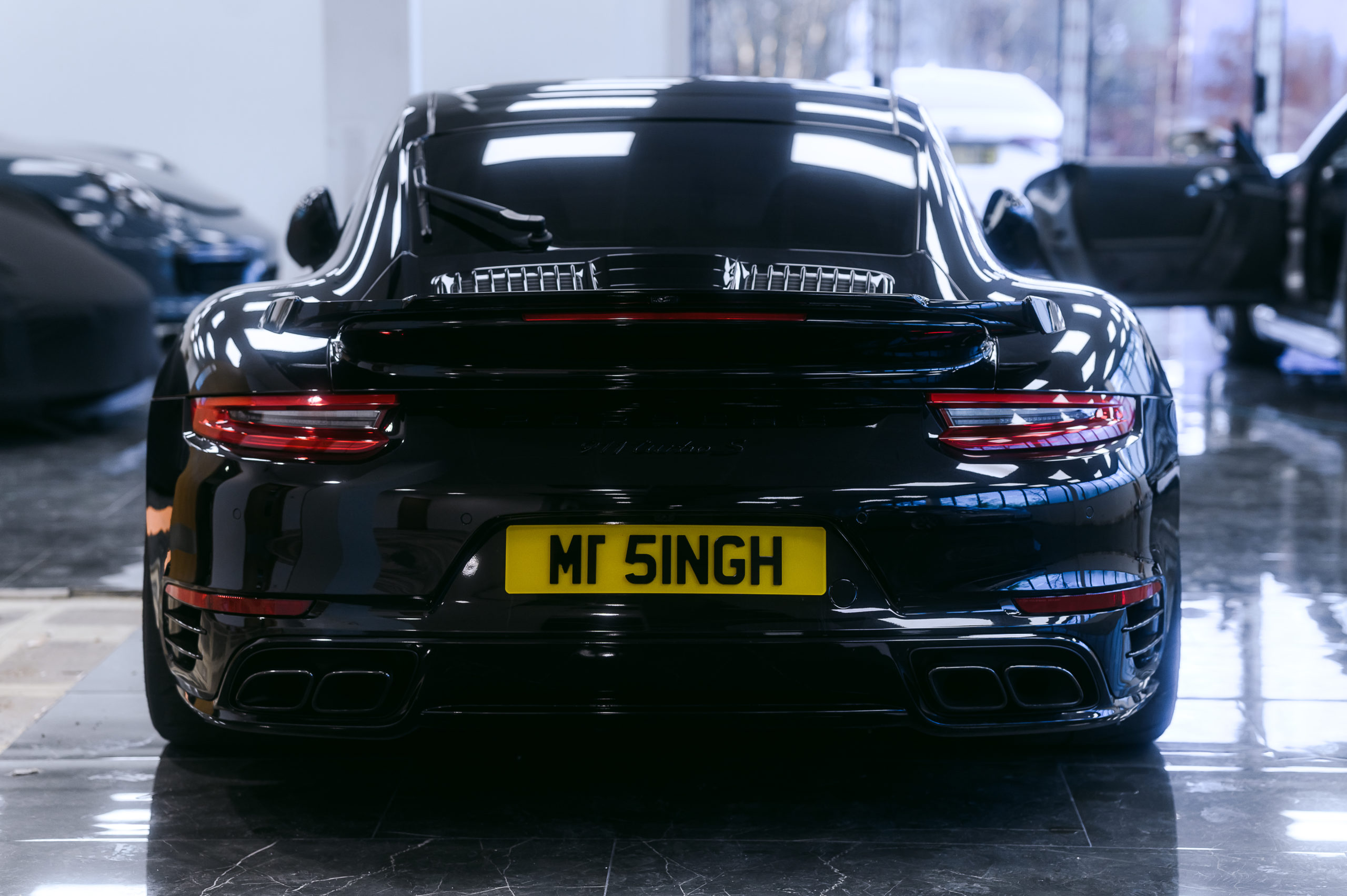
The best Porsches work as a complete package. Power is only one part of that. Tyres play a huge role in how effectively that power reaches the road. They also shape braking stability, steering feel, and driver confidence.
Choosing the right tyre setup means looking beyond brand names and simple size changes. You need to understand how the car gets driven, what the suspension is doing, and how consistent the finished build needs to feel.
Related at ESMotor: see our Porsche wheel alignment and ESMotor Porsche tuning packages.
If your Porsche is making serious power and you want it to feel stable, usable, and properly sorted, the details matter. To discuss a setup that suits your build, contact ES Motors and speak to the team.