Cart 0


Spark Plugs & Ignition Upgrades for High-Power Turbo Porsches
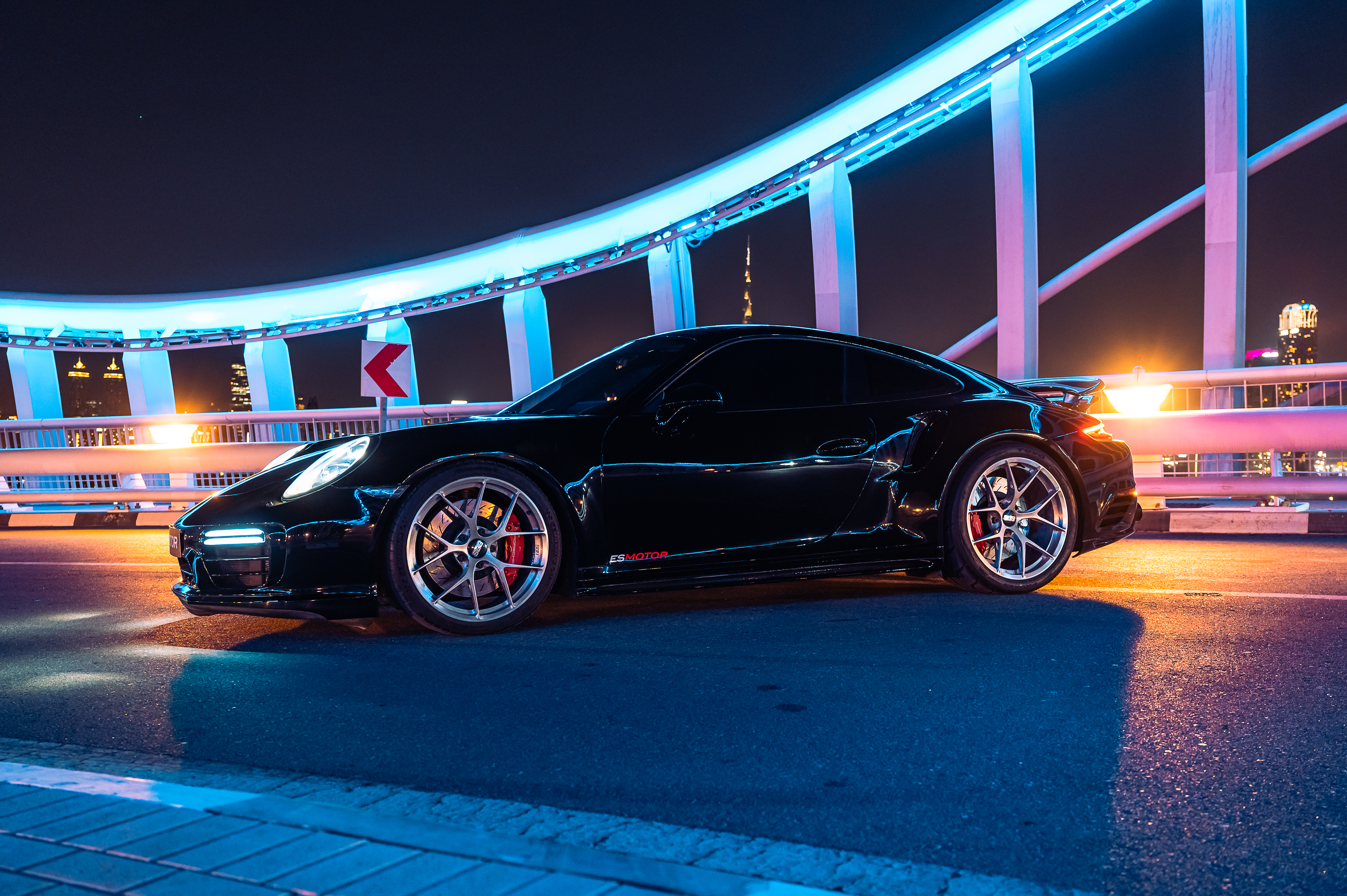
Porsche spark plug upgrades are one of the most overlooked aspects of a high-power build. Most people fit upgraded turbos, sort the fuel system, and spend significant time on the tune. Then they leave the factory spark plugs in and wonder why the car misfires at high RPM or under peak boost. The ignition system has to fire reliably under conditions far more demanding than anything the factory ever intended, and the standard plugs simply aren’t up to the job once power climbs past a certain point.
A spark plug that works perfectly on a stock 992 Turbo S running factory boost will struggle on the same engine running 30 PSI and E85. Higher cylinder pressures make the spark gap harder to bridge. More aggressive timing means the plug fires more often per unit of time. Alternative fuels change the thermal environment inside the cylinder. All of these factors affect plug selection, and getting it wrong costs power, causes misfires, and in serious cases damages pistons and rings.
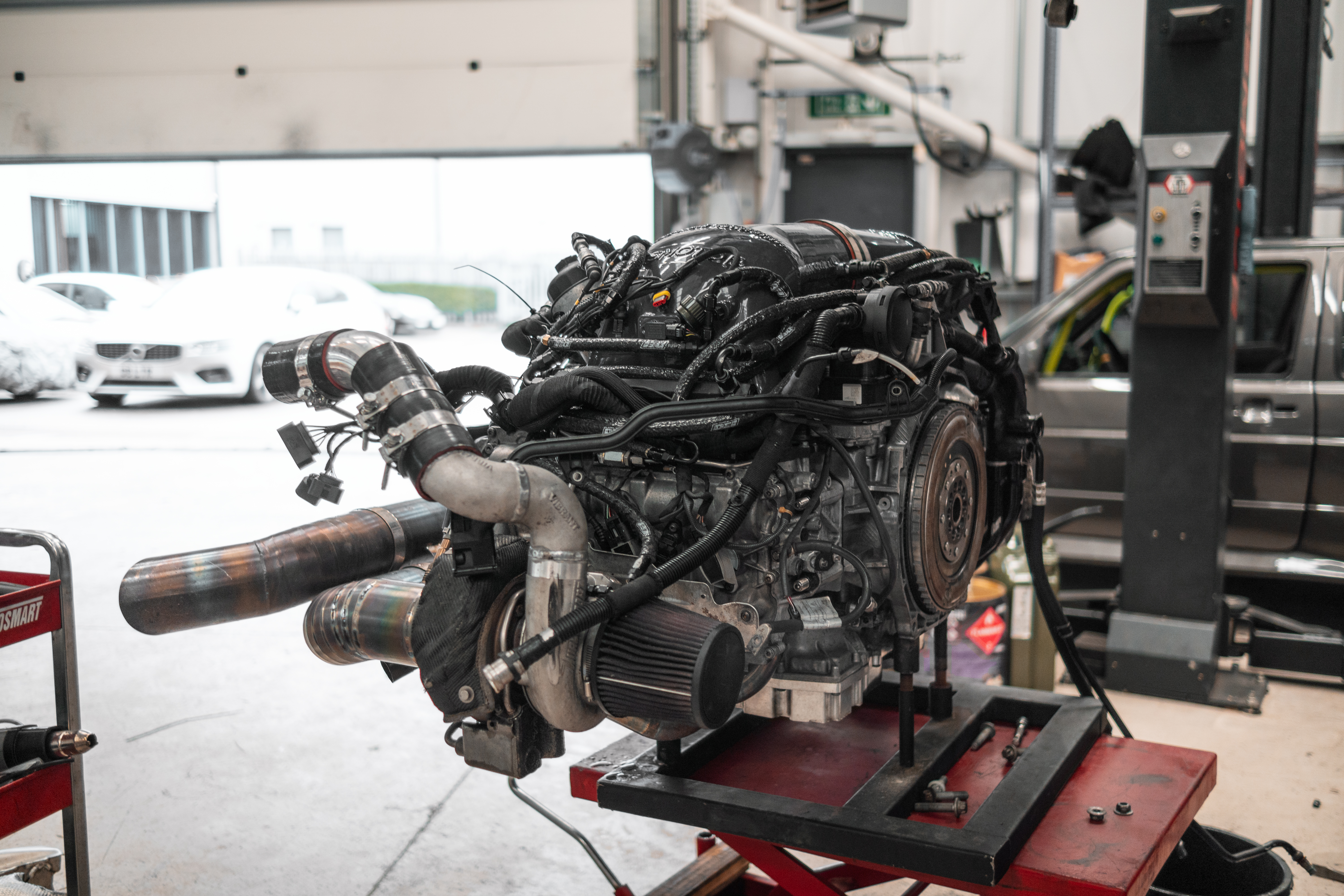
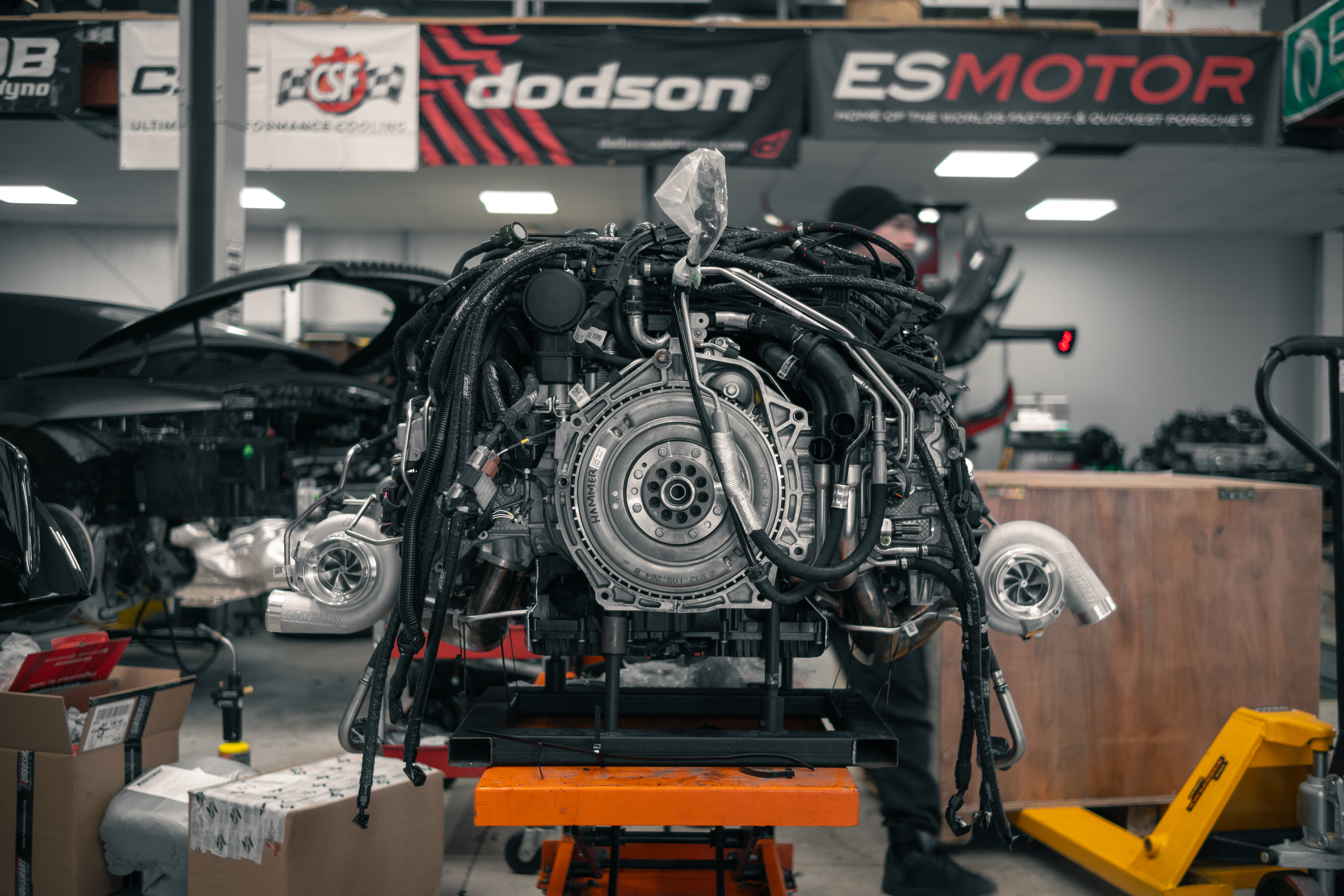
At ES Motors, ignition system specification is part of every engine build and tune package. We select plugs and coils based on the specific fuel type, boost level, and power target of each build, not based on what the factory fitted to a stock car.
Why Factory Spark Plugs Fall Short on Modified Builds
Factory spark plugs work within a defined operating range. Porsche specifies them for stock cylinder pressures, stock timing maps, and the fuel types the car comes from the factory expecting to run. Push significantly past any of those parameters and the factory plug starts struggling. It’s not that the plug is poor quality. It’s that it was never designed for the conditions a modified engine creates.
High boost levels increase cylinder pressure substantially. A higher cylinder pressure resists the spark crossing the gap, which means the ignition system has to work harder to fire the plug reliably. If the coil can’t deliver enough energy, or if the plug gap is too wide for the pressure it’s working under, the spark becomes intermittent. Intermittent ignition at high RPM and peak boost causes misfires, unburnt fuel in the exhaust, and a significant power loss.
Heat range is another issue. A plug that runs at the right temperature on a stock engine can run too hot on a modified one. A plug that runs too hot pre-ignites the charge before the spark fires, which causes knock. Knock at high boost damages pistons and bearings quickly. Selecting the correct heat range for the modified engine’s operating conditions is one of the most important decisions in ignition system specification.
Plug Material and Electrode Design
The material of the centre electrode directly affects how reliably the plug fires under high cylinder pressure. Standard copper core plugs have a relatively large electrode diameter. That larger diameter requires more voltage to initiate the spark. On a high-boost engine where the coil is already working hard, a plug that demands more voltage to fire is not the right choice.
Iridium and platinum plugs use a finer electrode tip. A finer tip concentrates the electrical field more effectively, which means the spark requires less voltage to jump the gap. This translates to more reliable ignition under high cylinder pressure and makes the plug better suited to modified high-boost applications. Most serious high-power builds use iridium plugs for exactly this reason.
Electrode gap also matters. A wider gap produces a larger spark kernel and better combustion efficiency on a lightly boosted engine. However, on a high-boost build the gap often needs tightening to ensure the spark reliably bridges the gap under pressure. At ES Motors, we set plug gaps based on the specific boost level and fuel type of each build rather than following a generic recommendation.
Heat Range Selection for Modified Engines
Heat range describes how quickly a spark plug transfers heat away from its tip into the cylinder head. A hotter plug retains more heat at the tip. A colder plug transfers heat away more quickly. On a stock engine, the factory heat range keeps the plug tip in a self-cleaning temperature window that burns off deposits without running hot enough to cause pre-ignition.
On a high-power build, the engine generates more heat inside the cylinder. A plug running the factory heat range can become too hot, which causes the tip to glow and ignite the charge before the spark fires. This is pre-ignition, and it’s destructive. It causes knock, damages pistons, and can destroy an engine quickly under sustained boost.
Stepping to a colder heat range plug transfers heat away from the tip more quickly, keeping it in a safe operating temperature even when the engine works harder. Most high-boost builds step one or two heat ranges colder than the factory specification. The exact step depends on the boost level, the fuel type, and how the car gets driven. Getting this right is critical, and it’s something we assess for every build at ES Motors.
Spark Plugs on E85 and Methanol Builds
Alternative fuels change the ignition requirements of the engine in ways that make plug selection even more important. E85 and methanol both have significantly higher latent heat of vaporisation than petrol. This means they absorb more heat from the incoming charge as they evaporate, which drops charge temperature and reduces detonation risk. However, it also affects how the plug behaves.
On an E85 or methanol build, the cooler charge temperature means the plug tip runs cooler than it would on the same engine running petrol. A plug that’s already stepped colder for high boost may run too cold on alternative fuels and fail to burn off deposits effectively. This can cause fouling, misfires, and a gradual build-up of deposits on the plug tip that reduces ignition reliability over time.
Finding the right balance between cold enough to avoid pre-ignition and warm enough to prevent fouling on alternative fuels takes experience and data from the specific build. At ES Motors, we specify plug heat range for alternative fuel builds based on real-world data from similar setups, and we verify plug condition after initial running to confirm the selection is correct before finalising the tune.
Ignition Coil Upgrades: Delivering the Energy
Upgraded spark plugs work best when the ignition coils can deliver enough energy to fire them reliably under high cylinder pressure. Factory coils produce a defined energy output suited to factory cylinder pressures and stock timing maps. On a high-boost build where cylinder pressures are significantly higher, the factory coil energy output can become marginal, particularly at high RPM where the coils have less time to charge between firings.
Upgraded ignition coils with higher primary energy output fire plugs more reliably under increased cylinder pressure. They also recover faster between firings, which improves ignition reliability at the top of the RPM range where misfires are most likely to appear. On a build running aggressive timing and high boost, upgraded coils often eliminate misfires that plug changes alone couldn’t fix.
Coil selection also ties into the plug specification. A high-energy coil paired with the correct iridium plug and the right gap and heat range produces a reliable ignition system across the full operating range of a high-power build. At ES Motors, we specify coils and plugs together as a matched ignition package rather than treating them as separate decisions.
Ignition System Specification at ES Motors
Porsche spark plug upgrades and ignition coil selection are decisions that need to match the specific conditions of the build. There’s no single correct answer that covers every modified Porsche. The right plug for a 700 HP petrol build is different from the right plug for a 1000 HP E85 build, and getting this wrong affects both performance and engine safety.
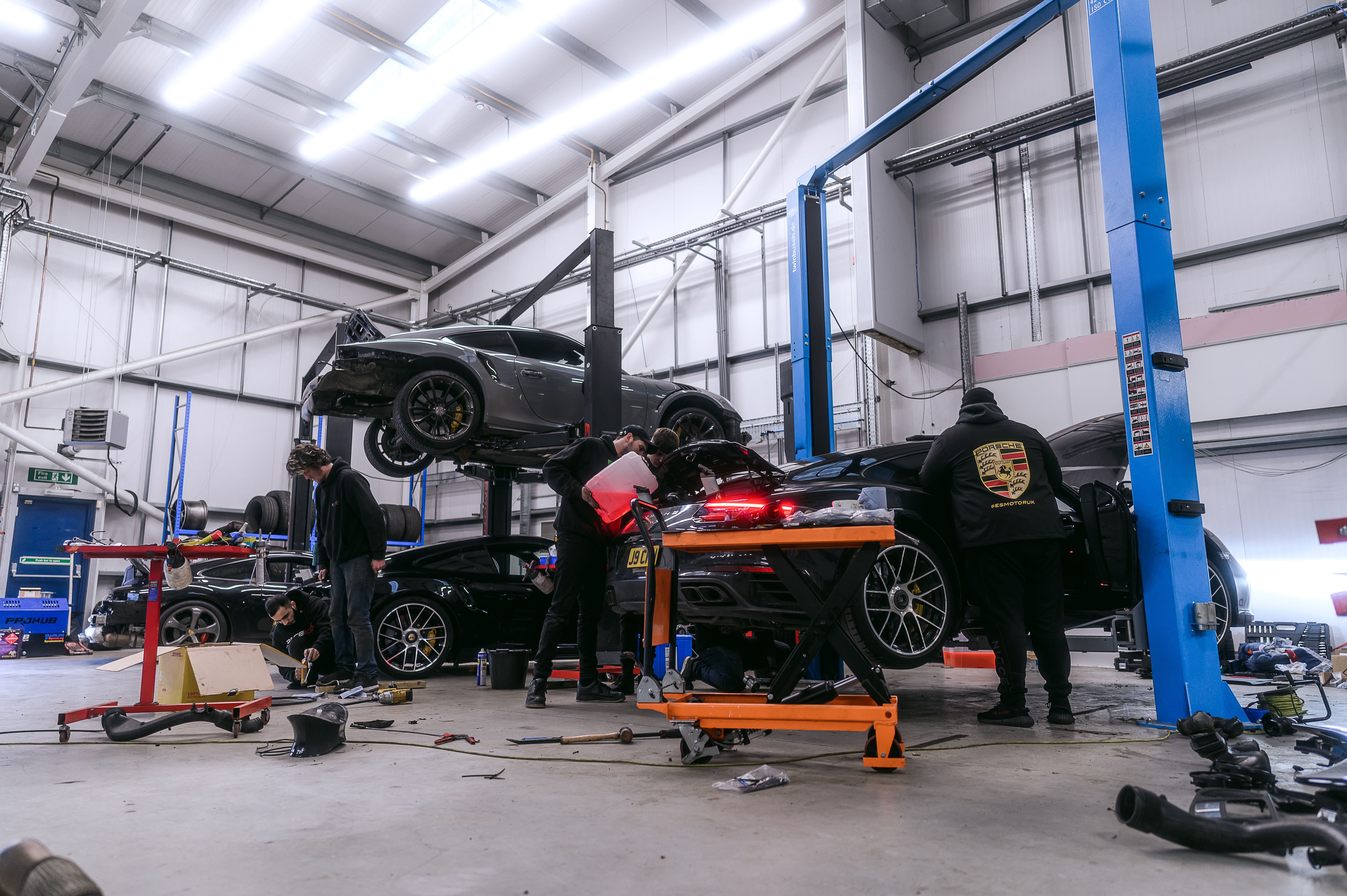
At ES Motors, every build gets an ignition system specification that matches the fuel type, boost level, timing strategy, and RPM range of that specific car. We don’t carry over plug specifications from other builds without assessing whether they suit the new one. After fitting, we check plug condition after initial running and after the first dyno session to confirm the specification is correct before the car leaves our workshop.
If you’re building a high-power Porsche and want to make sure the ignition system matches everything else in the build, contact ES Motors and speak with our engine specialists today.