Cart 0


Data Acquisition & Lap Timing Systems for High-Performance Turbo Porsches
Porsche data acquisition systems are one of the most powerful tools a serious driver can add to a high-performance build. Most people think of data logging as something only professional racing teams use. That’s not really the case anymore. A well-set-up data system tells you things about your car and your driving that seat time alone will never reveal. It removes guesswork from the tuning process, spots problems before they become failures, and shows exactly where time is being lost on track.
The factory Sport Chrono system gives a basic overview of lap times and some vehicle dynamics data. For a stock car on a track day, that’s fine. On a modified high-power car though, it quickly runs out of ability. It can’t keep up with the additional sensors and data channels that a serious build needs.
At ES Motors, we specify and fit data acquisition systems as part of complete track-focused builds. Getting the right system in place means the driver and tuning team always have what they need to improve both the car and the lap time.
What Data Acquisition Actually Tells You
A properly configured data system captures far more than lap times. Speed, throttle position, brake pressure, steering angle, lateral and longitudinal G-force, wheel speed at each corner, suspension travel, and engine parameters all get recorded simultaneously. Boost pressure, oil temperature, water temperature, and fuel pressure are all in there too. All of it maps to GPS position, so every data point ties precisely to a location on the circuit.
That combination of information is what makes data so useful. Where is the driver braking too early? Where is throttle being applied before the car has rotated enough? Where does understeer appear and at what speed? Answering those questions from feel alone is nearly impossible. With a data system, the answers sit right there in the traces.
For the tuning team, the information is equally valuable. Boost pressure traces show whether the ECU manages boost correctly through each corner. Temperature trends reveal whether the cooling system keeps up under sustained load. Wheel speed channels expose traction issues and differential behaviour that would never be obvious from the cockpit.
Choosing the Right Data System
The data acquisition market covers everything from simple lap timers to full professional-grade loggers used in GT and endurance racing. Picking the right level depends on how the car gets used, how deeply the driver wants to analyse the data, and what sensors are already in place on the build.
For track days and occasional circuit use, systems like the AIM Solo or MXS Strada series work well. They offer GPS lap timing, basic data logging, and a cockpit display for real-time feedback. Setup is straightforward and the step up from the factory Sport Chrono is immediately noticeable in terms of data depth.
For serious circuit programmes, professional systems from AIM, Motec, or Bosch Motorsport offer full CAN bus integration with the car’s ECU. The data logger captures every parameter the ECU sees alongside external sensor inputs. That level of integration gives the tuning team a complete picture of everything happening in the car at once, which is exactly what serious setup work requires.
GPS Lap Timing and Track Mapping
GPS lap timing forms the foundation of any data system. A high-accuracy GPS receiver logs the car’s position many times per second. From that, the system calculates precise lap times, sector times, and speed at every point on the circuit. All of it overlays on a track map, so the driver can see exactly where time is gained or lost against a reference lap.
Modern GPS systems show differences of just a few metres in braking points and turn-in locations between laps. That level of detail is genuinely useful for a driver working on consistency. Subjective debrief conversations get replaced with objective data that driver and coach can both look at and agree on.
Track mapping also lets the system detect start and finish lines automatically. No manual configuration needed each time. For drivers who visit multiple circuits, the system learns each layout and applies the correct timing points automatically on return visits.
Video Overlay and Driver Coaching Tools
Combining video with data overlays adds another layer to the analysis. A camera records the session while the data system overlays speed, G-force, throttle position, brake pressure, and lap time directly onto the footage in real time. The end result shows exactly what the driver was doing with the controls at every moment on track.
Few coaching tools are more effective than this. A coach can sit with the driver, point to a specific moment on video, and cross-reference it with the data trace. The combination of what you see and what the data shows makes feedback immediate and concrete. Drivers learn faster because the evidence is right in front of them.
Systems like the AIM SmartyCam or Race Technology video units plug directly into the data logger. Video and data sync automatically, so no manual alignment is needed after the session. At ES Motors, we recommend video integration for any driver who is serious about improving lap times alongside the car’s outright performance.
Using Data to Protect the Engine and Drivetrain
Data acquisition isn’t just about lap times. On a high-power build during track use, it plays a critical role in protecting the engine and drivetrain. Monitoring oil temperature, water temperature, gearbox temperature, and boost pressure in real time lets the driver catch a developing problem before it turns into damage.
Warning alerts within the data system notify the driver the moment any parameter exceeds a safe threshold. That gives them time to back off and investigate before a temperature spike becomes a failure. On a car with serious money in the engine and drivetrain, that protection is worth considerably more than the cost of the data system.
Post-session review also picks up trends that don’t trigger immediate warnings but point to developing issues. Oil temperature that climbs progressively higher across consecutive sessions, for example, often indicates a cooling problem before it reaches a critical level. At ES Motors, post-session data review is part of our standard process on customer track cars.
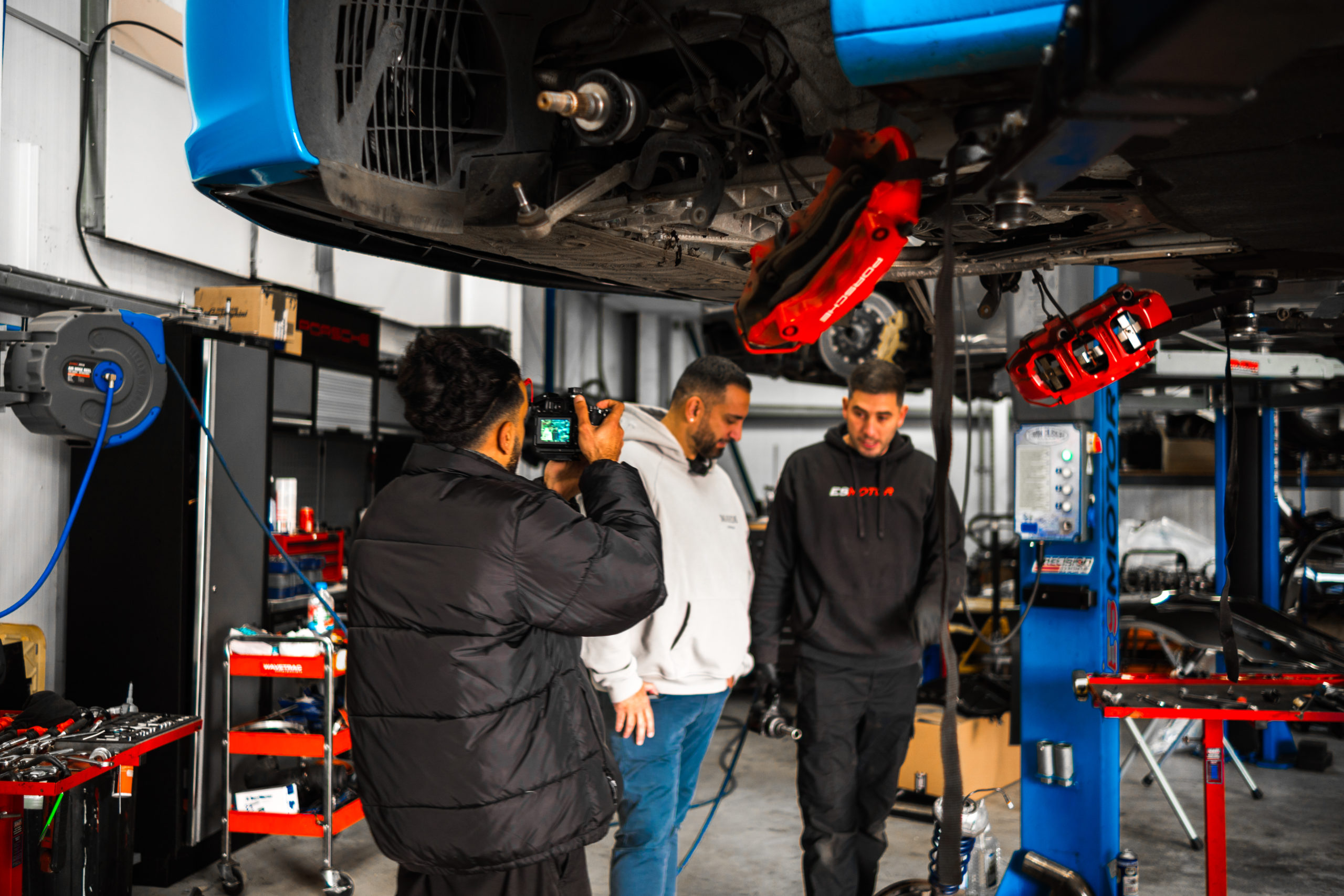
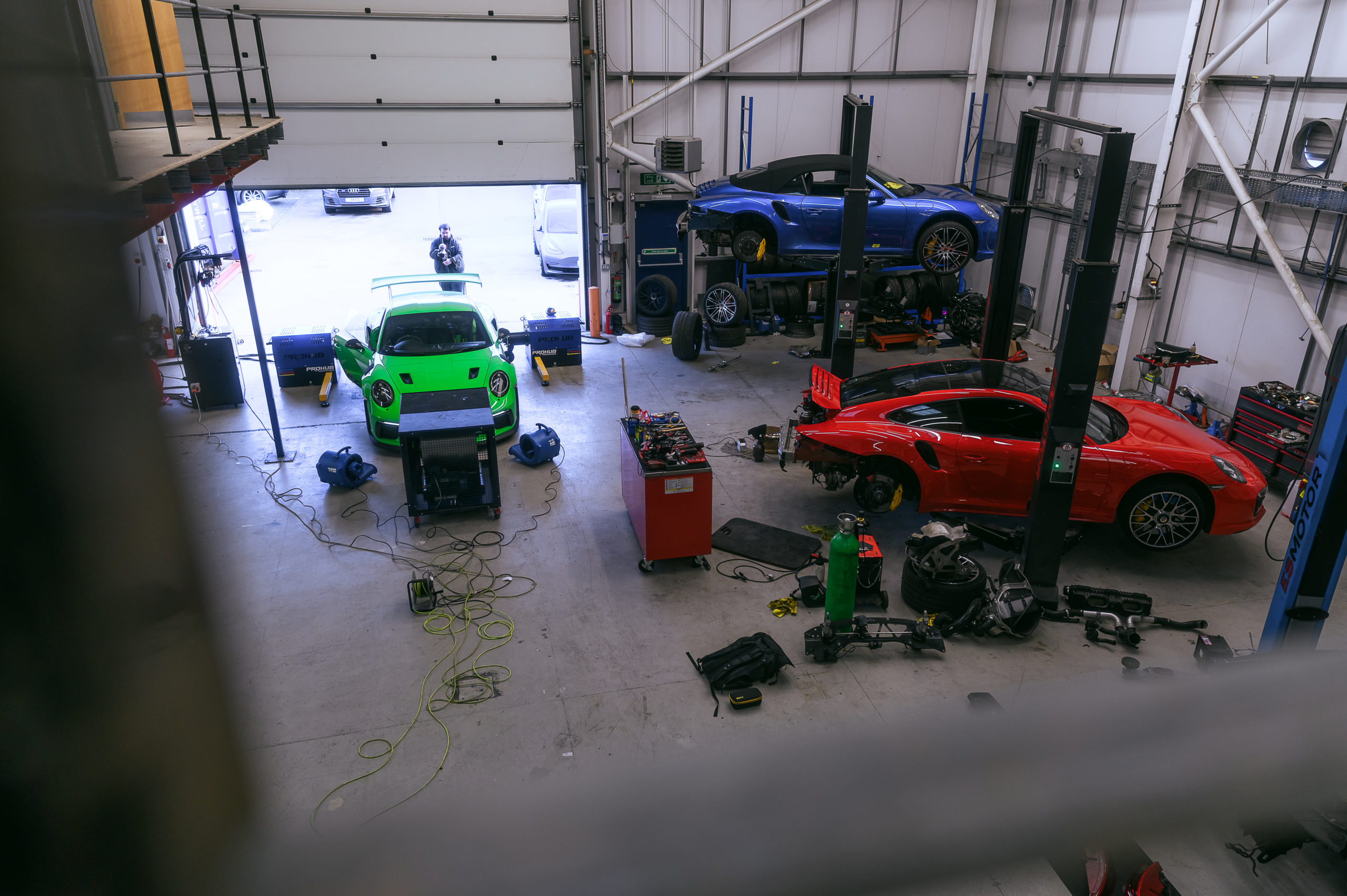
Data Acquisition at ES Motors
Porsche data acquisition systems installed correctly make a real difference to how quickly a build reaches its potential on track. A poorly configured system, or one that doesn’t integrate properly with the ECU, gives limited value regardless of the hardware quality. Getting the installation right from day one means the data is immediately useful.
At ES Motors, we specify each system based on the car, the power level, and how the driver plans to use the information. We handle everything including sensor wiring, CAN bus integration, display setup, and driver familiarisation. The goal is always a system that gives both the driver and the tuning team what they need to keep improving.
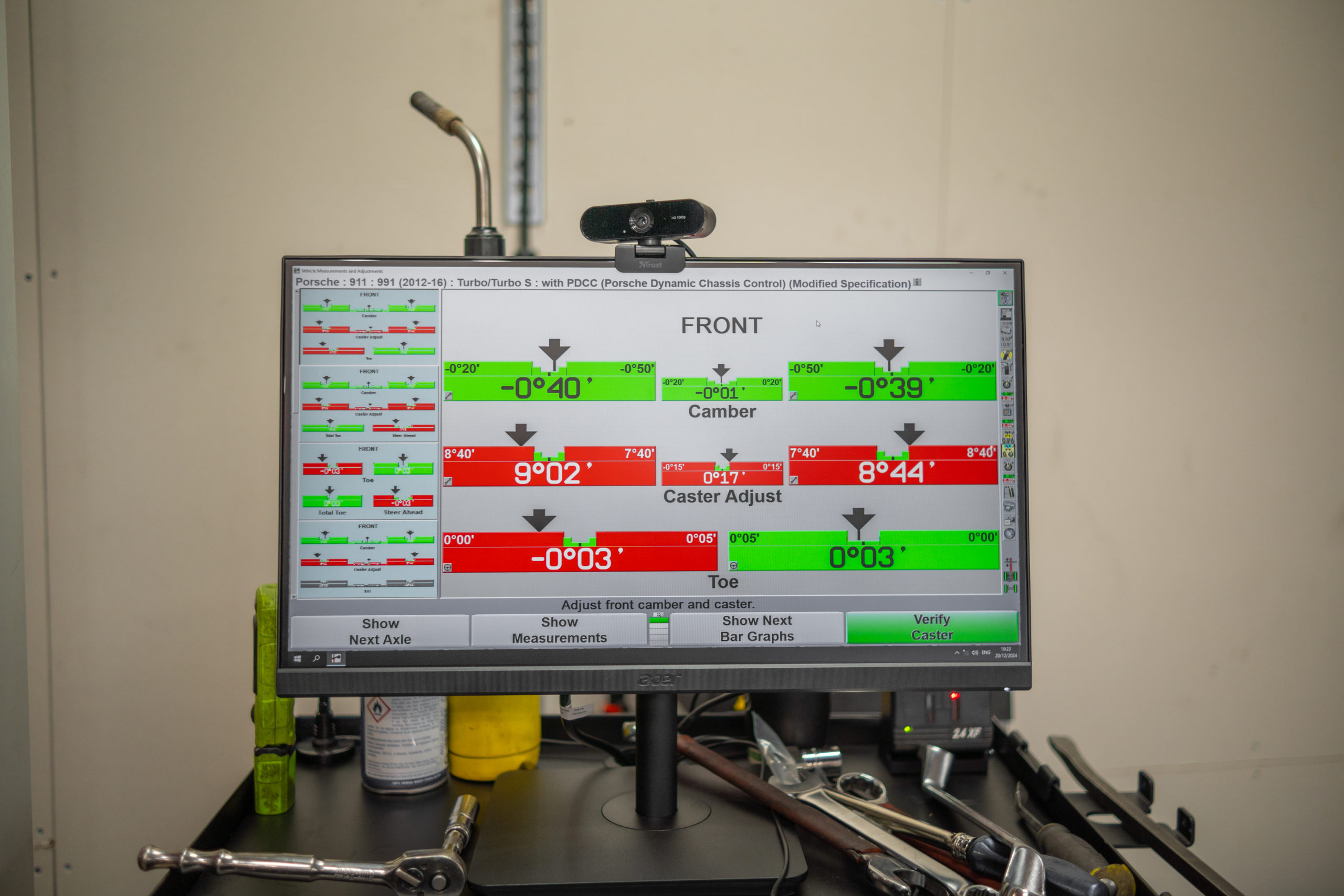
Related at ESMotor: see our ESMotor Porsche tuning packages and Porsche wheel alignment.
If you’re planning a track-focused Porsche build and want a data acquisition system that works properly from the start, contact ES Motors and speak with our build specialists today.